

Are Tiger Safaris in India Worth It?
Discover the Experience, Best Parks and Costs

A tiger safari in India is worth considering if you want to see wild Bengal tigers in their natural habitat while experiencing some of the country's most distinctive forests and wildlife landscapes. India offers a range of reserves, from the sal forests and meadows of Central India to the lakes and historic setting of Ranthambore. Each safari is different, and no sighting can be guaranteed. The real value lies in the complete experience: time in the forest, expert interpretation, other wildlife encounters and the chance to understand conservation at first hand. For travellers comparing an India tiger safari with an African safari, the two experiences are not interchangeable. India is the destination for those particularly interested in the Bengal tiger and the ecosystems it inhabits. With thoughtful planning, a wildlife journey can also be combined with India's cultural and architectural highlights.
What makes tiger safaris in India worth the journey?

A tiger encounter in the wild is never a scheduled performance. Guides and naturalists interpret alarm calls, tracks, movement and habitat clues, helping visitors understand what may be happening beyond the track. Even when a tiger remains unseen, following the rhythms of the forest can make a safari rewarding.
India's tiger reserves are not all the same. Depending on the park and season, a safari may pass through dry deciduous woodland, bamboo, sal forest, grassland, rocky terrain or areas around lakes and water sources. Deer, langurs, wild dogs, leopards, sloth bears and many bird species can add to the experience. Wildlife sightings vary by location and conditions.
A good naturalist helps turn a drive into a learning experience. They can explain animal behaviour, tracks, calls, habitat and the pressures facing wildlife. When choosing an India tiger safari tour package, consider the quality of guiding and the time allocated for drives—not only the lodge category.
Which is the best national park to see tigers in India?
There is no single best park for every traveller. Tiger sightings vary with season, animal movement, safari zones, visitor numbers and luck. The right reserve depends on your route, preferred landscape, accommodation style and how much time you can spend on safari.
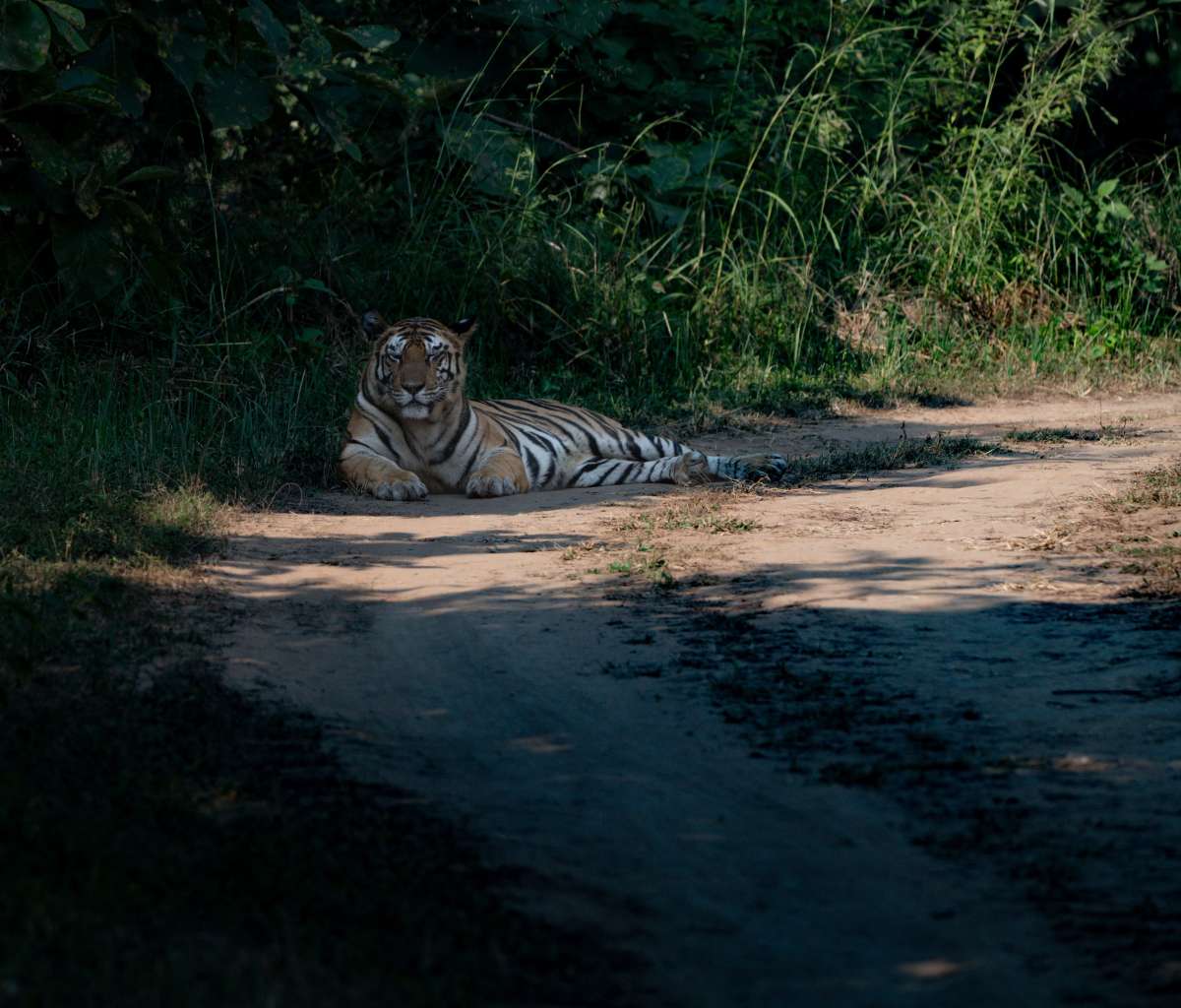
Bandhavgarh is a strong choice for travellers whose main interest is tiger-focused safaris in Central India. Its forested hills, meadows and historic setting create a distinctive backdrop. It is often included in itineraries designed around multiple game drives. Sightings are never guaranteed, so allow enough time rather than relying on a single drive.

Kanha is known for its broad meadows, sal forests and varied wildlife. It can suit travellers who want a wider natural-history experience alongside the possibility of seeing a tiger. The reserve is also associated with the conservation of the barasingha, or swamp deer.

Ranthambore combines tiger habitat with lakes, rocky terrain and the atmospheric presence of its historic fort. Its location can work well for travellers linking wildlife with Jaipur, Agra or Delhi. It is a compelling option for a first India trip that combines culture and wildlife.

Pench offers forest and riverine landscapes and is of interest to both mammal watchers and birders. It can be considered for a Central India itinerary, particularly when paired with other nearby reserves. Its setting is also associated with the landscape that inspired aspects of The Jungle Book.

Tadoba's dry deciduous and teak forests, bamboo thickets and water bodies make it an appealing destination for wildlife enthusiasts and photographers. It is often considered by travellers seeking a focused tiger safari. Choose accommodation with careful attention to the safari gate and confirmed logistics.
How much does a private or luxury tiger safari in India cost?

The cost of a private tiger safari in India depends on more than the number of safari drives. Key factors include the season, lodge category, number of nights, room type, safari permits, vehicle arrangements, guiding, transfers, domestic flights and the number of travellers. Premium lodges and longer tailor-made journeys naturally require a larger budget than simpler stays. When comparing India tiger safari tour packages, check exactly what is included. Ask whether accommodation, meals, park permits, safari drives, transfers and applicable taxes are covered, and whether the vehicle is shared or private. A clear breakdown makes it easier to compare like-for-like options. Rather than choosing only by headline price, consider the quality of the lodge, location, guiding and overall time in the reserve.
Luxury tiger safari in India: what does the upgrade add?

A luxury wildlife holiday in India can pair time in the forest with attentive service and comfortable accommodation. Depending on the lodge, features may include spacious suites or tented rooms, private outdoor areas, locally inspired dining and naturalist-led activities. Properties such as Taj Banjaar Tola near Kanha, Mahua Kothi near Bandhavgarh and Sher Bagh near Ranthambore. Luxury does not mean guaranteed sightings or unrestricted access to the park. Safari rules, vehicle limits, zone allocation and operating hours still apply. The value of a premium itinerary is more often in thoughtful logistics, the quality of the stay and the depth of the guiding.
India vs Africa safari: which experience is right for you?

Choose India if seeing the Bengal tiger is central to your wildlife ambitions, or if you want to combine a tiger reserve with India's history, food, architecture and cultural experiences. Choose an African safari if your priority is a different wildlife mix and the landscapes and safari traditions of destinations such as the savannah regions of East or Southern Africa. Neither is universally better; they offer distinct experiences. Travellers with more time can build a broader journey around India's wildlife parks and cultural destinations. The best route depends on international arrival points, domestic connections, season and the number of nights available.
When is the best time to go on a tiger safari in India?

The best time depends on your comfort with heat and your wider interests. The original article highlights February to May for tiger-focused travel and November to February for birding and more comfortable conditions. Warmer months can bring animals towards water sources in some areas, but conditions can be hot. Winter is generally more comfortable for travel and can be rewarding for birdlife. Park opening periods and zone availability vary, so confirm current rules and dates before booking.
How many days should you allow?
Avoid building an international wildlife trip around just one or two drives. Three to four nights in a reserve can provide a more relaxed starting point for several safari opportunities, although the ideal stay depends on the park, travel time and your priorities. If combining two reserves, account for road transfers and domestic connections so that travel does not consume too much of the holiday.
How to choose the right India tiger safari package?
1. Match the park to your interests. Consider whether your priority is tiger-focused drives, birdlife, varied habitats, photography or a wider cultural itinerary. 2. Allow enough time. Multiple drives provide more opportunities to experience the forest, but never guarantee a sighting. 3. Check the details. Confirm the safari gate, permit arrangements, vehicle type, guide arrangements, inclusions and cancellation terms. 4. Choose accommodation for location as well as comfort. A beautiful lodge can still involve lengthy transfers if it is poorly matched to your confirmed gate. 5. Plan the wider journey. International flights, domestic travel, arrival times and time between parks all affect the quality of the trip.
Responsible travel and conservation
A responsible safari respects wildlife and the rules designed to protect it. Stay inside the authorised vehicle, keep noise low, never feed or call animals, and follow the guide and park staff. Ask accommodation providers how they approach waste, energy use, local employment and community partnerships. Avoid claims that a particular booking directly funds a specific conservation programme unless the operator can explain and substantiate that contribution.
Request a luxury tiger tours in India Itinerary — share your travel dates, group size and preferred destinations.