

Postpartum Yoga: A Gentle Guide for New Moms

Motherhood brings incredible joy, but pregnancy and childbirth also create major physical and emotional changes. Postpartum yoga offers a gentle way for new mothers to reconnect with their bodies, rebuild strength, and support recovery after birth.
Unlike intense workouts, postpartum yoga focuses on slow movements, breathing techniques, flexibility, relaxation, and restoring balance. Whether you had a vaginal birth or C-section, the right yoga practice can help improve mobility, reduce stress, and support your overall well-being.
Postpartum yoga is a specialized yoga practice designed for women after childbirth. It focuses on gentle stretches, breathing exercises, and strengthening movements that support the body during the recovery period.
The main goals of postpartum yoga include:
Restoring flexibility after pregnancy
Strengthening weakened muscles
Supporting pelvic floor recovery
Improving posture
Reducing stress and fatigue
Promoting relaxation and better sleep
Postpartum yoga is different from regular yoga because it considers the physical changes that occur during pregnancy and delivery.
The right time to start postpartum yoga depends on your recovery, birth experience, and healthcare provider’s advice.
Birth TypeGeneral Starting TimeVaginal birth without complicationsGentle yoga may begin when you feel comfortableC-section birthUsually requires more recovery time before exerciseComplicated deliveryFollow professional guidance before starting
New mothers should begin with simple breathing exercises and gentle movements before progressing to stronger poses.
Pregnancy can affect posture, muscles, and flexibility. Gentle yoga helps rebuild strength and improve body awareness.
Postpartum yoga includes safe movements that gradually help strengthen abdominal and supporting muscles.
Childbirth can weaken pelvic floor muscles. Specific yoga movements combined with breathing techniques may support pelvic floor awareness and control.
Caring for a newborn can be physically and emotionally demanding. Yoga breathing and relaxation techniques encourage calmness and mindfulness.
Feeding, carrying, and holding a baby can create posture problems. Yoga stretches help release tension in the back, shoulders, and neck.
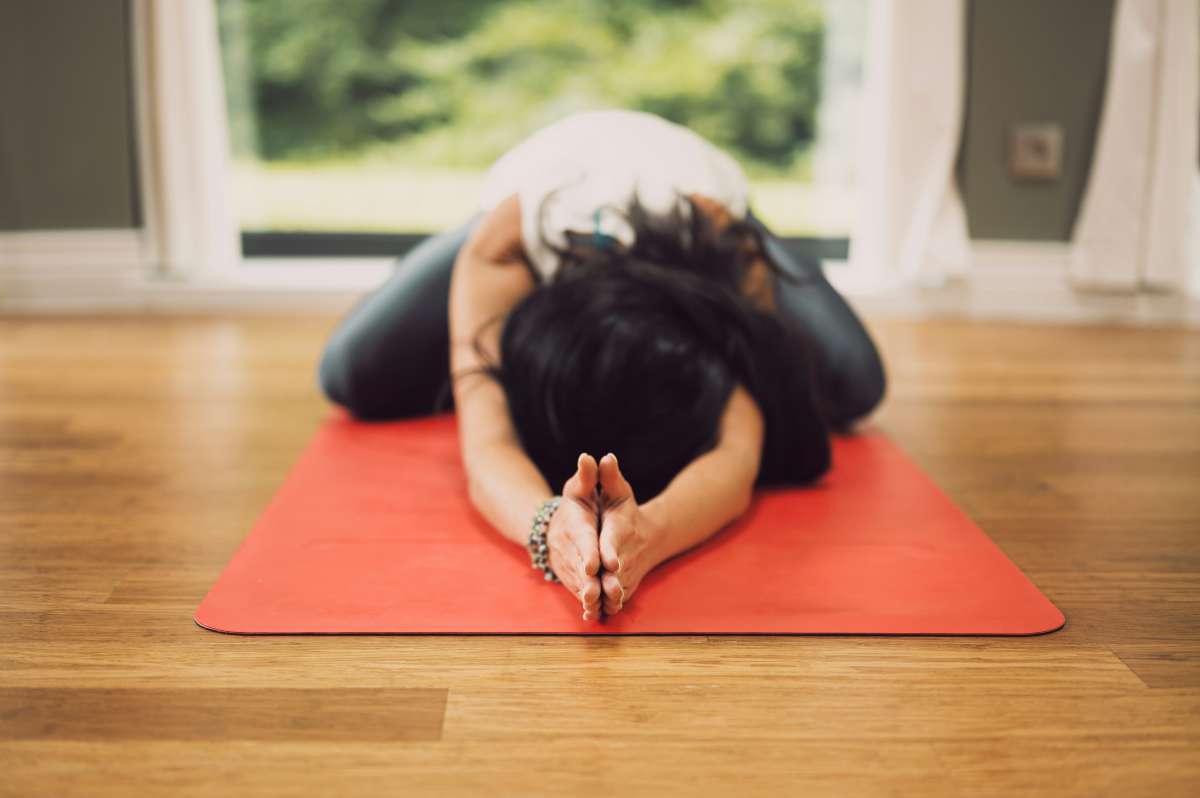
Relaxation-focused yoga may help mothers feel calmer and improve their ability to rest.
Benefits:
Relieves back tension
Improves spinal mobility
Supports better posture
How to Practice:
Start on your hands and knees.
Slowly arch your back while breathing in.
Round your spine while breathing out.
Repeat gently several times.
Benefits:
Encourages relaxation
Stretches the back and hips
Helps release tension
How to Practice:
Sit back toward your heels.
Extend your arms forward.
Relax your shoulders.
Hold the position while breathing slowly.
 Benefits:
Strengthens lower body muscles
Supports gentle core activation
Opens the chest
How to Practice:
Lie on your back with knees bent.
Place feet flat on the floor.
Slowly lift your hips.
Lower down with control.
Benefits:
Opens hips
Improves flexibility
Encourages relaxation
How to Practice:
Sit comfortably.
Bring the soles of your feet together.
Hold your feet gently.
Allow your knees to relax outward.
Benefits:
Reduces tiredness
Promotes relaxation
Supports circulation
How to Practice:
Sit near a wall.
Extend your legs upward.
Relax your arms.
Breathe slowly.
Women recovering from a C-section should approach yoga slowly and carefully. The body needs time to heal, especially around the abdominal area.
Helpful practices may include:
Deep breathing exercises
Gentle stretching
Relaxation poses
Slow mobility movements
Avoid rushing into intense poses or exercises. Always consider personal recovery progress before increasing activity.
The pelvic floor plays an important role during pregnancy and childbirth. Gentle postpartum yoga can help women reconnect with these muscles.
Helpful techniques include:
Deep breathing
Gentle pelvic awareness exercises
Relaxation poses
Controlled movements
A gradual approach is usually better than intense exercise immediately after birth.
New mothers can start with short sessions and increase gradually.
Experience LevelSuggested PracticeBeginner10–15 minutes several times weeklyRegular practice20–30 minutes sessionsAdvanced recoveryLonger gentle sessions
Consistency is more important than intensity.
Follow these tips for a safer practice:
Start slowly and listen to your body
Avoid painful movements
Focus on breathing
Stay hydrated
Use supportive equipment if needed
Avoid comparing your recovery with others
Consult a healthcare professional if you have concerns
Starting intense workouts too soon
Ignoring body signals
Doing advanced poses immediately
Holding your breath during movements

Focusing only on weight loss
Postpartum yoga should focus on healing, strength, and overall wellness.
WordMeaningPostpartumPeriod after childbirthRecoveryHealing process after birthFlexibilityAbility to move easilyStrengthPhysical power of musclesPelvic FloorMuscles supporting pelvic organsBreathingControlled air movement practiceRelaxationState of calmnessMobilityAbility to move freelyStretchingGentle muscle lengtheningWellnessOverall health and balance
Postpartum yoga provides new mothers with a gentle and effective way to support recovery after childbirth. Through mindful breathing, stretching, and strengthening poses, it can improve flexibility, reduce stress, support posture, and encourage emotional balance.
Every mother’s recovery journey is different, so starting slowly and practicing safely is important. With patience and consistency, postpartum yoga can become a valuable part of a healthy lifestyle after pregnancy.
FAQs
1. What is postpartum yoga? Postpartum yoga is a gentle yoga practice designed to support physical recovery, relaxation, and strength after childbirth.
2. When can I start postpartum yoga after birth? The timing depends on your recovery and birth experience. Many mothers begin with gentle movements when they feel comfortable and receive appropriate guidance.
3. Is postpartum yoga safe after a C-section? Yes, but mothers recovering from C-section should wait until their body has healed and begin with gentle exercises.
4. What are the best postpartum yoga poses for beginners? Child’s Pose, Cat-Cow Pose, Butterfly Pose, Bridge Pose, and Legs Up the Wall Pose are common gentle options.
5. Can postpartum yoga help with stress? Yes, breathing exercises and relaxation techniques may help promote calmness and reduce daily stress.