

Discovering China’s Silk Road: History, Landscapes & Must-Visit Stops

The Silk Road is one of the world’s most legendary travel routes, stretching across deserts, mountains, oases, and ancient civilisations. In China, the Silk Road begins in the historic city of Xi’an and winds westward through dramatic landscapes and culturally rich regions, offering a journey filled with stories of trade, exploration, and human connection. For modern travellers, exploring the Silk Road is an opportunity to walk in the footsteps of merchants, scholars, and adventurers who shaped global history through their interactions and discoveries.
A journey along the Silk Road is not merely about visiting historical sites; it is about experiencing a diverse tapestry of cultures, religions, and landscapes that tell the story of China’s western frontier. The route remains one of the most rewarding travel experiences in the country, inviting visitors into a world where ancient traditions still blend seamlessly with modern life. Many travellers seeking immersive cultural journeys include this route when planning a China trip from Kerala.
Xi’an marks the eastern gateway of the Silk Road, once serving as the capital for several dynasties and a thriving centre of political and cultural exchange. The city is best known for the Terracotta Army, a remarkable archaeological site that reveals the power and ambition of the Qin Dynasty. Beyond this iconic attraction, Xi’an’s old city walls, bustling markets, and vibrant Muslim Quarter highlight the city’s multicultural past shaped by centuries of trade and migration.
 Xi'an's city wall
Walking through Xi’an, visitors can sense how the city once served as a bridge between China and the wider world. Its historical sites reflect a mix of architectural styles and cultural influences introduced by traders and travellers. The temples, mosques, and museums within the city offer rich insights into the diversity that made Xi’an a dynamic hub during the height of the Silk Road. It remains an essential starting point for anyone tracing the historical route.
Further west, Dunhuang is a city where desert sands meet spiritual heritage. It was once a crucial stop for caravans seeking refuge from the harsh conditions of the Taklamakan Desert. Today, Dunhuang is renowned for the Mogao Caves, a spectacular collection of Buddhist sculptures and murals created over a thousand-year period. These caves serve as a breathtaking visual archive of religious art, trade influences, and cultural evolution along the Silk Road.
 Dunhuang's oasis-The post
Beyond its artistic treasures, Dunhuang’s natural environment offers equally impressive experiences. The singing dunes of Mingsha Mountain and the crescent-shaped Yueya Spring create a surreal landscape that feels both peaceful and vast. Riding a camel across the dunes or witnessing sunrise over the desert allows travellers to imagine the journeys of ancient traders navigating the same paths centuries ago. Dunhuang beautifully combines artistic heritage with striking natural scenery.
Turpan sits in one of the lowest and hottest regions in China, yet it flourished as a Silk Road centre thanks to innovative irrigation systems known as karez. These underground channels brought water from distant mountains to sustain agriculture and settlement in the arid environment. Visitors can explore these impressive systems that highlight the engineering brilliance of past communities.
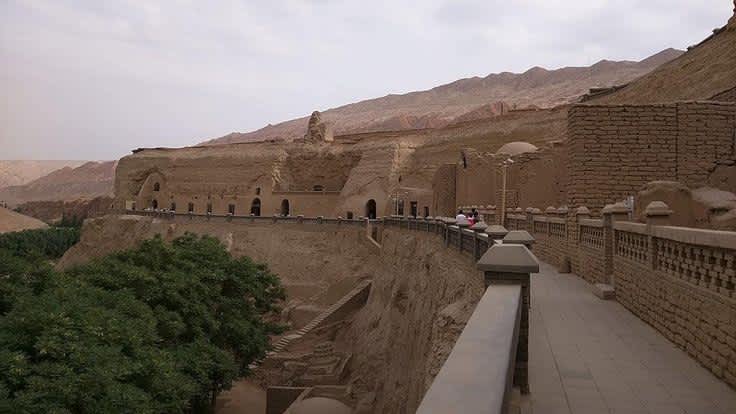
The region also offers a fascinating mix of historical sites and cultural experiences. The ancient city of Jiaohe, carved into a natural plateau, stands as one of the best-preserved earthen cities in the world. Grapevine-covered lanes, traditional homes, and local markets add to Turpan’s charm. Exploring the town reveals how life was sustained in an environment that demanded resilience, resourcefulness, and community cooperation. Turpan remains one of the Silk Road’s most memorable stops.
Kashgar sits near the western edge of China and has long been a melting pot of ethnic groups, religions, and cultures. Its Sunday bazaar remains one of the most atmospheric markets in Asia, offering everything from handmade textiles to fragrant spices. Walking through the old town, with its winding alleys and traditional Uyghur architecture, provides a vivid sense of how ancient trading centres once operated.
The city’s cultural depth is further highlighted by its mosques, artisan workshops, and vibrant street life. Visitors can watch craftspeople work with metal, wood, and fabric using techniques passed down through generations. Kashgar feels like a living museum where history is not contained in monuments but expressed through daily activity. Travellers who venture this far west gain a richer understanding of the cultural diversity that shaped the Silk Road.
Urumqi, the capital of Xinjiang, offers a modern contrast to the historical towns of the Silk Road. Its museums, markets, and cultural districts present a fascinating blend of contemporary energy and regional heritage. The Xinjiang Museum is particularly notable for its exhibits on ancient artefacts and well-preserved mummies from Silk Road settlements, offering a deeper perspective on the region’s history and its nomadic influences.
Just outside the city, the Heavenly Mountains (Tianshan) provide a refreshing escape into nature. Snow-capped peaks, alpine lakes, and lush forests create some of China’s most dramatic landscapes. Heavenly Lake, surrounded by mountains and evergreen trees, offers a peaceful setting that contrasts beautifully with the arid landscapes found elsewhere along the route. This region showcases the geographic diversity that made Silk Road travel both challenging and breathtaking.
Jiayuguan marks the western terminus of the Great Wall of China and served as a strategic outpost for protecting the empire’s borders. The imposing Jiayuguan Fort stands as a testament to military engineering and frontier defence during the Ming Dynasty. Visitors can walk along its walls, explore exhibitions, and enjoy panoramic views of the surrounding Gobi Desert.
The site highlights the political significance of the Silk Road, illustrating how trade routes required not only economic cooperation but also security and diplomacy. The fort’s location at the edge of the desert made it a crucial checkpoint for goods and travellers entering or leaving the Chinese empire. Jiayuguan remains a powerful symbol of China’s historical attempts to manage and protect its vast territories.
Travelling the Silk Road in modern times offers a remarkable blend of history, culture, and natural beauty. From ancient cities to rugged landscapes, every stop reveals something unique about China’s evolution and its interactions with the world. The experience goes far beyond sightseeing; it allows travellers to appreciate how ideas, technology, and traditions spread across continents long before modern globalisation.
For those planning extensive cultural journeys across western China, many rely on guidance from the best tour operators Kerala who understand how to craft routes that balance history, comfort, and immersive exploration. Exploring the Silk Road is an opportunity to connect past and present in one unforgettable journey.
Whether you’re drawn to archaeological wonders, multicultural cities, or dramatic natural scenery, China’s Silk Road offers a travel experience unlike any other. It invites you to slow down, look closely, and appreciate the stories written into every dune, mountain, and ancient wall along the way.