

What Is the Canton Fair and Why It Matters to Global Trade

The Canton Fair, officially known as the China Import and Export Fair, stands as one of the most influential trade events in the world. Held biannually in Guangzhou, it brings together manufacturers, buyers, exporters and industry professionals from across continents. For decades, it has acted as a meeting point where global demand meets Chinese production strength.
Beyond its size and reputation, the Canton Fair plays a deeper role in shaping international trade patterns. It reflects how global markets are evolving, how supply chains adapt and how businesses build long term commercial relationships. Understanding its importance offers insight into how modern global trade truly works
The Canton Fair was launched in 1957, at a time when China was taking measured steps towards opening its economy to the world. Initially, it served as a controlled channel for exports, allowing international buyers to access Chinese goods while enabling the government to oversee foreign trade activities. From modest beginnings, it quickly became a cornerstone of China’s international commerce.
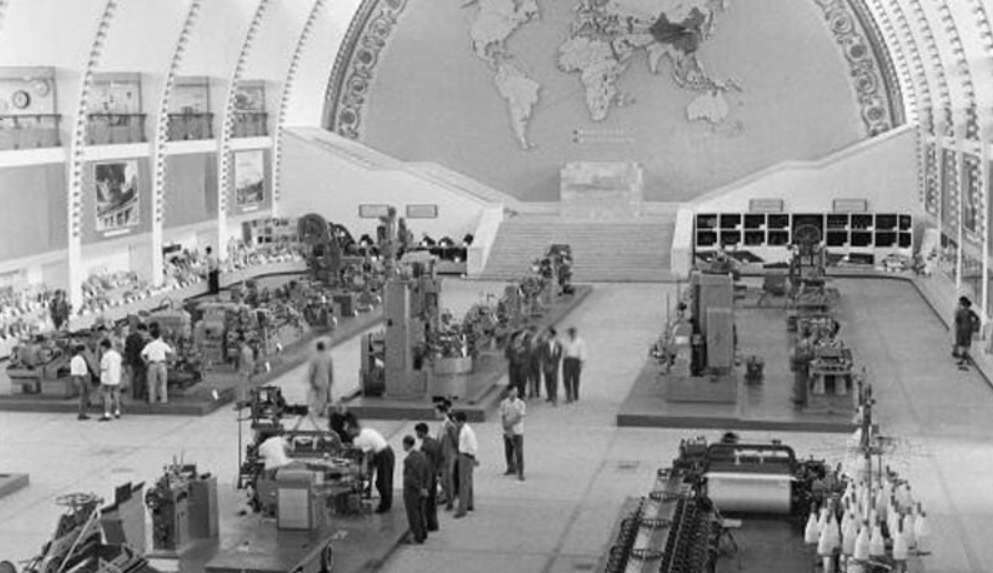
Over the years, the fair evolved alongside China’s economic reforms. Product ranges expanded, private enterprises joined state-owned manufacturers, and global participation increased significantly. Today, the fair mirrors China’s journey from a manufacturing-focused economy to a diversified export powerhouse, offering everything from industrial machinery to consumer electronics and lifestyle products.
One of the reasons for the Canton Fair’s effectiveness lies in its carefully planned structure. The event is divided into multiple phases, each focusing on specific product categories. This allows buyers to navigate vast exhibition halls without being overwhelmed and enables suppliers to connect with highly targeted audiences.
Each phase runs for several days, providing sufficient time for discussions, negotiations and sample evaluations. The structured approach ensures efficiency while maintaining the scale that defines the fair. For global buyers, this format reduces time costs and improves sourcing accuracy, making trade engagement more productive.
International buyers attend the Canton Fair because it offers direct access to manufacturers rather than intermediaries. This face-to-face interaction builds trust, improves pricing transparency and allows for real-time quality assessment. For many importers, these direct connections significantly reduce sourcing risks.
Another major attraction is product diversity. Thousands of exhibitors showcase innovations that reflect current market demands and emerging trends. Buyers can compare suppliers, explore alternatives and identify new opportunities within a single location. This scale is difficult to replicate elsewhere, giving the Canton Fair unmatched global appeal.
The Canton Fair does more than facilitate buying and selling. It strengthens global trade networks by fostering long term partnerships between exporters and international businesses. Many supplier relationships that begin at the fair continue for years, contributing to stable supply chains and consistent market access.
In an era where global trade faces disruptions from geopolitical shifts and logistical challenges, such platforms remain vital. The fair allows businesses to reassess sourcing strategies, diversify suppliers and stay connected with international markets. This adaptability reinforces its value within the broader framework of global commerce.
For China, the Canton Fair acts as a powerful economic engine. It supports export growth, encourages industrial innovation and promotes regional development in manufacturing hubs. Small and medium enterprises benefit significantly, gaining exposure to overseas markets that would otherwise be difficult to access.
Globally, the fair influences pricing trends, product standards and consumer availability. Decisions made during the event often shape procurement cycles across Europe, the Middle East, Africa and Asia. In this way, the Canton Fair functions as both a marketplace and a barometer for global trade momentum.
While the Canton Fair is rooted in physical interaction, it has adapted to modern trade realities. Digital platforms now complement on-ground exhibitions, allowing businesses to connect remotely, review catalogues and continue discussions beyond the event. This hybrid model has broadened access without diluting the fair’s core purpose.
The integration of digital tools also reflects changing buyer behaviour. Businesses increasingly rely on data, virtual meetings and post-event follow-ups. By embracing these changes, the Canton Fair has maintained relevance in a rapidly evolving international trade environment.
For businesses from India and neighbouring regions, the Canton Fair offers strategic value. It provides insight into manufacturing capabilities, pricing structures and emerging product lines. Entrepreneurs and sourcing professionals use the event to evaluate competitiveness and identify opportunities for market expansion.
Travel and sourcing support have also become more organised over time. Many professionals opt for structured travel solutions such as a Canton fair package from Kerala, which helps streamline logistics and maximise time spent at the exhibition. Such arrangements make participation more accessible, especially for first-time attendees.
Attending the Canton Fair often opens doors to broader commercial engagement within China. Buyers frequently extend their trips to visit factories, attend regional expos or explore supplier clusters in nearby cities. This holistic exposure strengthens sourcing decisions and deepens market understanding.
As a result, the fair often forms part of wider business itineraries linked with China tour packages from Kerala, allowing professionals to balance trade objectives with essential travel planning. This combination supports efficient engagement while making international trade journeys more manageable and effective.
The continued relevance of the Canton Fair lies in its ability to connect economies at scale. It brings together supply and demand under one roof, encourages transparency and fosters innovation. In a fragmented global market, such platforms remain invaluable for maintaining trade flow.
Ultimately, the Canton Fair matters because it reflects how global trade functions in practice. It is where negotiations begin, partnerships form and markets respond. As international commerce continues to evolve, the Canton Fair stands as a reminder that face-to-face trade still plays a vital role in shaping the global economy.