

Best Practices for Safe Bear Watching in Alaska
Essential Safety Tips and Regulations for Responsible Bear Watching and Camping in Alaska’s Wilderness.

Bear watching in Alaska is thrilling, but if you want to increase the chances of bear watching in Alaska, you need to observe some of the best practices. With a total population of more than 30,000 bears, Alaska bears are well-known for being both defensive and offensive at times. As a result, you need to pay more attention to your safety.
The following are some of the most effective procedures for Alaska bear viewing trips.
Spraying Bears
Bear spray may be carried, moved, and used in accordance with state and federal regulations. Report any use of bear spray on a bear or other natural life to Katmai Public Park and the Safeguard base camp. Exact and convenient reports of bear spray releases assist the parking area in deciding if any risky examples are created.
Please be advised that bear spray cannot be transported aboard airplanes. Inquire about a legal vehicle with your business air transporter or air taxi.
Most of the Alaska bear viewing trips set up camp in a single location for more than 14 consecutive days is prohibited to minimize the long-term effects on the land and allow others to use the spray and famous campgrounds. If you plan to camp for more than 14 days, your next camp should be at least two miles away from your original location. When you set up your tent in that campground, the multi-day clock kicks in. The Regulations and Strategies section of this website contains additional information regarding the occasional setting up camp terminations listed below.
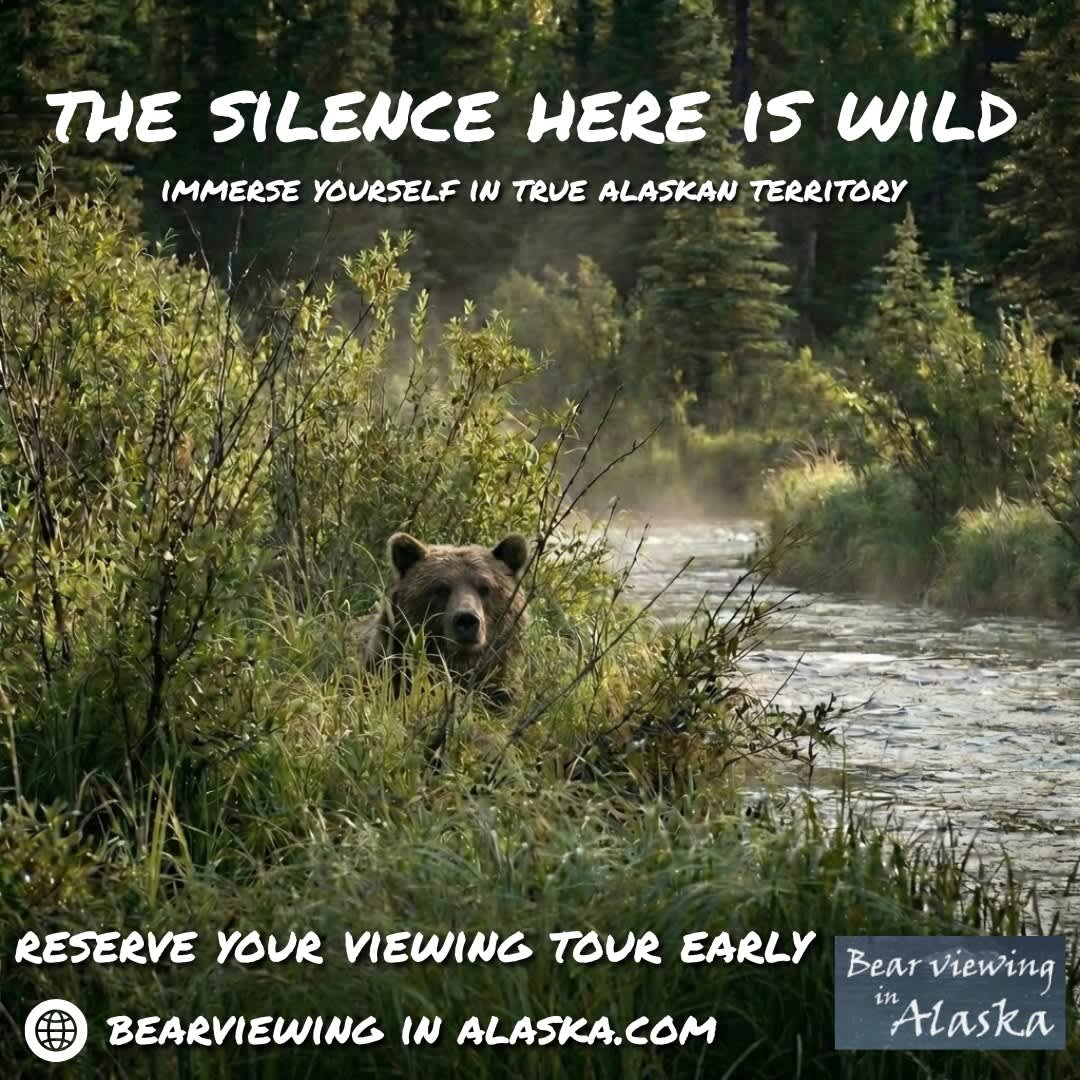
The center glade areas of Hallo Straight Knolls are closed to setting up camp from April first through October 31st to forestall clashes with bears and guests at prime taking care of destinations that draw in bears and bear watchers.
Harbor camping
To avoid conflicts with bears and visitors to Geographic River's designated bear viewing location on April 1 through October 31, no camping is permitted there. Guide of Pipe Brook and Moraine conversion, with the area occasionally closed to camp sites. Setting up camp isn't allowed within a half mile of the intersection of Moraine and Pipe River.
Establishing camp at the Moraine and Channel Spring Juncture between July first and August 31st, setting up camp isn't allowed within one portion of a mile upstream and downstream from the conversion of Moraine Spring and Pipe River, to forestall clashes among bears and guests.
Conclusion:
Camp in areas that have been proactively impacted in regions that receive a lot of traffic. Besides the fact that this diminishes harm to vegetation, it has the special reward that bears are probably going to be less inquisitive about your campground, as they have seen people there previously. Much of the time utilized camping areas remember 5 Mile for the Valley of 10,000 Smokes, close to the officer camp at Hallo Straight, and spread locales around Crosswinds Lake.