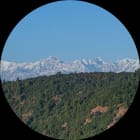

Best Winter Treks in India 2025-2026: Explore Frozen Lakes, Snow-Clad Meadows & Majestic Himalayan Views
Uncover the best winter treks in India for 2025 – from frozen lakes and snow-clad meadows to breathtaking Himalayan peak

When winter arrives in India, the Himalayas put on a magical show. Snow blankets the meadows, lakes turn into shimmering sheets of ice, and the peaks glow golden under the crisp winter sun. For trekking enthusiasts, this is the best time to experience raw, untouched landscapes and the thrill of hiking through snow-clad trails. The winter treks in India for 2025 promise breathtaking views, challenging climbs, and serene moments amidst nature’s grandeur.
Whether you are a beginner looking for easy snow treks or an experienced trekker chasing high-altitude adventures, the Indian Himalayas have something for everyone. Let’s explore the most stunning winter treks you can take this season.
Why Choose Winter Treks in India?
Snow-Covered Trails: Experience nature in its purest form, walking on powdery snow.
Frozen Lakes: Witness surreal landscapes with lakes completely frozen over.
Fewer Crowds: Winter treks attract fewer trekkers compared to summer, ensuring a peaceful experience.
Stunning Photography: Perfect for capturing snow-laden forests, icy rivers, and sunrise over Himalayan peaks.
Adventure & Challenge: Test your endurance in sub-zero conditions, making the journey truly rewarding.
Best Winter Treks in India for 2025-2026
1. Kedarkantha Trek (Uttarakhand)
Kedarkantha is one of the most loved winter treks in India, ideal for both beginners and experienced trekkers. The Kedarkantha trek is one of the most popular winter treks in India, known for its beginner-friendly yet rewarding experience. The trail involves gradual ascents and short walking hours, making it accessible, while the summit push adds a moderate challenge with steep inclines of 40°–60°. Starting from Sankri village, the journey takes 3–4 days through enchanting forests of pine, oak, and rhododendron, alongside the frozen Juda Ka Talab and vast snowfields. Walking through thick snow makes the trek physically demanding but never technical, allowing trekkers of all levels to enjoy it. The summit at 12,500 ft offers a breathtaking 360-degree view of Swargarohini, Bandarpoonch, Black Peak, Ranglana, and the Yamunotri range. Conquering this peak brings a true sense of achievement, making Kedarkantha a must-do Himalayan winter trek.
2. Brahmatal Trek (Uttarakhand)
Brahmatal is a captivating winter trek that takes you to the serene frozen Brahmatal Lake at 12,250 ft. The 6-day trail winds through oak and rhododendron forests, opening up to snow-covered meadows and distant views of Roopkund’s ridge. It offers spectacular panoramas of Mount Trishul and Nanda Ghunti, which look magnificent in winter skies. Nights on this trek are magical, with star-lit skies reflecting on snowfields. Despite the cold, the terrain remains moderate, making it suitable for those with some trekking experience. A perfect mix of frozen beauty and Himalayan grandeur, Brahmatal shines in winter.
3. Chadar Trek (Ladakh)
The Chadar Trek is one of the most unique and challenging winter adventures in India. At around 11,000 ft, trekkers walk over the frozen Zanskar River, surrounded by towering cliffs and icy gorges. The journey spans 8–9 days and tests endurance, with temperatures dropping to -25°C. It is not technical but demands strong physical and mental preparation. Every step on the glass-like ice is thrilling, offering an experience found nowhere else in the world. A true survival trek, Chadar remains a bucket-list expedition for seasoned adventurers.
4. Har Ki Dun Trek (Uttarakhand)
Har Ki Dun, also called the “Valley of Gods,” is a cradle-shaped valley surrounded by majestic snow-clad peaks. At 11,675 ft, this moderate-level trek takes around 7 days and offers both natural beauty and cultural richness. The trail passes through ancient villages said to be over 2,000 years old, where traditions are still alive. In winter, the valley transforms with frozen waterfalls, snow-covered trails, and serene alpine forests. Trekkers also encounter vibrant folklore and legends linked to the Mahabharata, adding a mystical charm. The mix of culture, history, and breathtaking landscapes makes Har Ki Dun a true Himalayan gem.
5. Dayara Bugyal Trek (Uttarakhand)
Dayara Bugyal is one of the most scenic alpine meadow treks, especially magical in winter. At 12,000 ft, the vast expanse of white fields offers a playground for snow lovers. This easy-to-moderate trek takes about 5 days, making it ideal for beginners and families. The trail passes through oak and pine forests before opening to snow-laden meadows with Himalayan views. On clear days, Bandarpoonch and Gangotri peaks can be seen shining in the distance. Its short duration and scenic charm make Dayara Bugyal a perfect winter escape.
6. Sandakphu Phalut Trek (West Bengal – Sikkim Border)
Sandakphu Phalut is famous for offering unmatched views of four of the world’s highest peaks—Everest, Kanchenjunga, Lhotse, and Makalu. At 11,930 ft, this moderate trek spans 7 days through ridges, rhododendron forests, and charming villages. In winter, the trail is wrapped in snow, giving it a dreamy and mystical vibe. The highlight is witnessing the Sleeping Buddha formation of Kanchenjunga glowing at sunrise. Unlike many treks, this one offers a mix of Himalayan panoramas and cultural interactions with local communities. For mountain lovers, Sandakphu is truly a “Trekkers’ Wonderland.”
7. Tarsar Marsar Trek (Kashmir)
The Tarsar Marsar trek is a hidden gem of Kashmir, known for its breathtaking alpine lakes. At 12,500 ft, this moderate-to-difficult trek usually takes 7 days, offering frozen lakes and untouched snow valleys in winter. Trekkers walk through scenic landscapes framed by snowy peaks and vast meadows. The trail brings the unique charm of Kashmiri culture along with natural beauty. Though more challenging than Uttarakhand treks, the reward is unparalleled serenity and solitude. For those seeking offbeat winter adventures in 2025, Tarsar Marsar is an unforgettable choice.
Essential Tips for Winter Treks in 2025
Gear Up Right: Invest in quality trekking shoes, insulated jackets, and snow gaiters.
Layering is Key: Multiple thermal and fleece layers keep you warm.
Stay Hydrated: Cold weather reduces thirst, but dehydration is common.
Acclimatize Properly: High-altitude winter treks demand at least a day for acclimatization.
Go with a Certified Guide: Winter treks can be tricky—professional guidance ensures safety.
Best Time for Winter Treks
December – February: Peak snow season, ideal for frozen lakes and snowy landscapes.
March – Early April: Snow begins to melt, offering both snow and greenery.
FAQs on Winter Treks in India
Q1. Which is the easiest winter trek in India? Kedarkantha and Dayara Bugyal are the best beginner-friendly options.
Q2. Are winter treks safe for first-timers? Yes, with proper guidance, fitness, and preparation, beginner-friendly treks are safe.
Q3. What fitness level is required? Basic cardio endurance (jogging 5 km in 40 minutes) is sufficient for easy treks.
Q4. Can I see snow in December? Absolutely—December to February guarantees snow in Uttarakhand, Himachal, Kashmir, and Ladakh treks.
Conclusion
Winter treks in India are more than just adventures—they are soulful journeys into the heart of the Himalayas. From the beginner-friendly Kedarkantha to the thrilling Chadar Trek, each trail offers something unique: frozen lakes, snow-covered meadows, and stunning Himalayan panoramas.
As you plan your winter treks in 2025-2026, remember to prepare well, travel responsibly, and embrace the wilderness with respect. Whether it’s your first trek or your tenth, the snowbound Himalayas will leave you with memories to last a lifetime.