
Goechala Trek Best Time: When Should You Actually Go?
A Complete Seasonal Guide to Plan the Goechala Trek Safely and Smartly
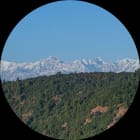
Goechala Trek in spring

If the Goechala Trek is on your bucket list, you are already on the right path. This classic Himalayan trail in Sikkim offers close-up views of Mt. Kanchenjunga, India’s highest peak. But here’s the honest truth timing matters more than fitness on this trek.
Choosing the Goechala trek best time can be the difference between walking through a dream and struggling through clouds, snow, or rain. This guide breaks down every season clearly, without exaggeration or fake promises.
Let’s get straight to what actually works.
Why Timing Is Crucial for the Goechala Trek
Goechala trek sits inside the Kanchenjunga National Park, a protected area with strict forest rules and sensitive weather conditions. The trail climbs from dense forests to high alpine zones above 4,600 meters.
Weather here changes fast. Snowfall, fog, and rainfall can shut down views in minutes. That’s why trekkers don’t ask if timing matters they ask when is the safest and most rewarding window.
Goechala Trek Best Time: Quick Overview
The best time to do the Goechala Trek is divided into two reliable seasons:
Spring: April to May
Autumn: Late September to November
These months offer stable weather, open trails, and clear mountain views. Everything outside this window comes with compromises.
Now let’s look at each season in detail.
Spring Season (April to May): The Most Popular Choice
Spring is often considered the best time for Goechala trek, especially for first-timers.
What Makes Spring Special?
Clear views of Kanchenjunga, Pandim, and Mt. Kabru
Blooming rhododendron forests near Tshoka and Dzongri
Stable daytime temperatures
Snow still visible at higher camps, but manageable
Weather Conditions
Day temperature: 10°C to 15°C
Night temperature: -5°C to 0°C
Snow: Present near Dzongri and View Point 1
Spring offers a balance. You get snow drama without extreme cold. That’s why most trekking companies schedule their main batches during this time.
Who Should Choose Spring?
First-time high-altitude trekkers
Photographers chasing clear mountain shots
Trekkers who enjoy colourful landscapes
If you want postcard views without too many risks, spring is your season.
Autumn Season (Late September to November): Best for Clear Skies
Autumn comes right after the monsoon washes the mountains clean. Many experienced trekkers believe autumn is the best time to trek Goechala for visibility.
Why Autumn Works So Well
Crystal-clear skies after monsoon
Dry trails with less slush
Sharp sunrise views at Goechala View Point 1
Fewer insects and cleaner campsites
Weather Conditions
Day temperature: 8°C to 12°C
Night temperature: -8°C to -2°C
Snow: Fresh snowfall possible in late November
Autumn feels raw and wild. The mountains look sharper, the air feels thinner, and mornings are brutally beautiful.
Who Should Choose Autumn?
Experienced trekkers
Landscape photographers
Those who prefer quieter trails
If you don’t mind cold nights, autumn rewards you generously.
Summer & Monsoon (June to September): Not Recommended
Many people search online asking if Goechala is possible in monsoon. Technically, yes. Practically, it’s a bad idea.
Heavy rainfall in lower forests
Landslides on approach roads
Leeches and slippery trails
Zero visibility at higher camps
Kanchenjunga often stays hidden behind clouds for days. You might walk for a week and see nothing but fog. That’s not adventure it’s frustration.
Avoid monsoon unless you are doing research or trail work. For regular trekkers, this is not the best time for Goechala trek.
Winter Season (December to March): For Experts Only
Winter transforms Goechala into a serious expedition.
Deep snow beyond Dzongri
Temperatures drop below -15°C
Frozen water sources
Increased risk of altitude sickness
Forest permits also become limited, and many operators stop running batches.
Only if:
You have prior snow-trekking experience
You are comfortable using crampons and gaiters
You have a strong support team
For most people, winter is not the ideal Goechala trek best time.
Best Month for Goechala Trek (Month-Wise Breakdown)
Month Trek Conditions
March Cold, snow blocks higher camps
April Good weather, snow at higher altitudes
May Best balance of views and safety
June–Aug Heavy rain, poor visibility
September Trails reopen, weather improves
October Peak season, best views
November Cold but clear, fewer crowds
December–Feb Extreme winter conditions
Best Time for Goechala Trek for Clear Kanchenjunga Views
If your main goal is seeing Mt. Kanchenjunga up close, aim for:
Mid-April to early May
Mid-October to early November
Early mornings matter more than seasons. Most clear views appear before 7 AM. After that, clouds usually roll in.
Final Verdict: So, When Is the Goechala Trek Best Time?
Let’s keep it simple.
Best overall time: April to May
Best for views: October
Best for beginners: Spring
Best for experts: Late autumn or winter (with caution)
There is no single perfect month for everyone. The best time to trek Goechala depends on what you value—comfort, solitude, snow, or views.
Choose wisely. The mountain will always be there, but your experience depends on timing.