
Kedarkantha Trek Best Time to Visit: Month-Wise Guide for Snow Lovers
A Complete Seasonal Breakdown of Weather, Snowfall, Crowd Levels, and Trek Conditions
Kedarkantha Trek in Winter

Choosing the right time for a Himalayan trek can completely change your experience, and Kedarkantha is the best example of that. While the trail remains the same, the weather, snow conditions, difficulty level, and overall vibe shift drastically from month to month. Many trekkers make the mistake of booking dates just because the trek is popular, without understanding what each season actually offers.
The Kedarkantha trek best time to visit depends on one simple question: what do you expect from the trek? If your dream includes snow-covered forests and white summit views, winter months work best. If comfort, clearer trails, and easier walking matter more, shoulder seasons feel more suitable. This guide explains everything month by month so you can plan realistically, not emotionally.
Why Timing Is So Important for Kedarkantha Trek
Kedarkantha is often marketed as an “easy winter trek,” but that description hides an important truth. The trek feels easy or challenging mainly because of timing. Snow depth, temperature, and daylight hours directly affect how your body responds on the trail.
The right month helps you:
Walk on stable trails instead of slippery ice
Experience snow without facing extreme cold
Reduce the risk of weather-related delays
Enjoy better views from the summit and camps
Good timing does not just improve comfort. It improves safety, enjoyment, and overall satisfaction.
Kedarkantha Trek Best Time to Visit for Snow Experience
For trekkers chasing snow, winter remains the most reliable season. Kedarkantha stands out among Indian winter treks because it receives consistent snowfall while remaining technically non-demanding.
Best months for snow lovers:
Late December
January
Early to mid-February
During these months, snow covers forest sections, campsites like Juda Ka Talab, and the summit ridge. The trek feels like a proper winter expedition, yet remains suitable for first-timers under guided conditions.
Kedarkantha Trek in December: Start of the Winter Magic
December marks the official beginning of the winter trekking season in Kedarkantha. Early December usually offers cold weather with limited snow on lower sections, while higher camps may already see icy patches. As the month progresses, snowfall becomes more frequent.
By mid to late December, snow starts settling properly on the trail. Juda Ka Talab often freezes partially, and camps look visibly wintery. Temperatures drop sharply at night, but daytime conditions remain manageable with proper layering.
December attracts heavy crowds, especially during Christmas and New Year weeks. If you plan this month, booking early becomes essential.
Kedarkantha Trek in January: Peak Snow and True Winter Conditions
January delivers the most authentic winter experience on the Kedarkantha trek. Snow depth increases significantly, and the entire trail above Sankri usually stays covered in white. Forest walks feel magical, and summit views become extremely rewarding on clear days.
However, January also brings the coldest temperatures of the season. Night temperatures at camps can drop well below freezing, sometimes nearing -10°C. Trek leaders carefully monitor weather windows during this period to avoid whiteout conditions.
This month suits trekkers who:
Want deep snow experience
Can handle cold nights
Are mentally prepared for slow-paced walking
 Peak Snow Season \ Image Credit : Rahul Kumar Gupta
Kedarkantha Trek in February: Balanced Winter Trekking
February often offers the best balance between snow and comfort. Snow remains thick on higher sections, but daytime temperatures feel slightly better than January. The days start getting longer, which helps maintain steady trekking schedules.
Crowds reduce after the first half of February, making the trail feel less rushed. Campsites feel quieter, and summit attempts face fewer delays due to weather.
For beginners who want snow without extreme cold stress, February stands out as one of the safest choices.
Kedarkantha Trek in March: Transition from Winter to Spring
March acts as a bridge between winter and spring. Early March still offers snow near the summit and upper camps, while lower trails begin to show exposed ground as snow melts.
Temperatures rise gradually, making nights more comfortable. Daytime trekking becomes easier, especially for people who struggled with cold during winter months. Views remain clear, and forests start showing early signs of seasonal change.
Late March sees reduced snow coverage, so this month suits trekkers who want a mix of snow and ease rather than a full winter challenge.
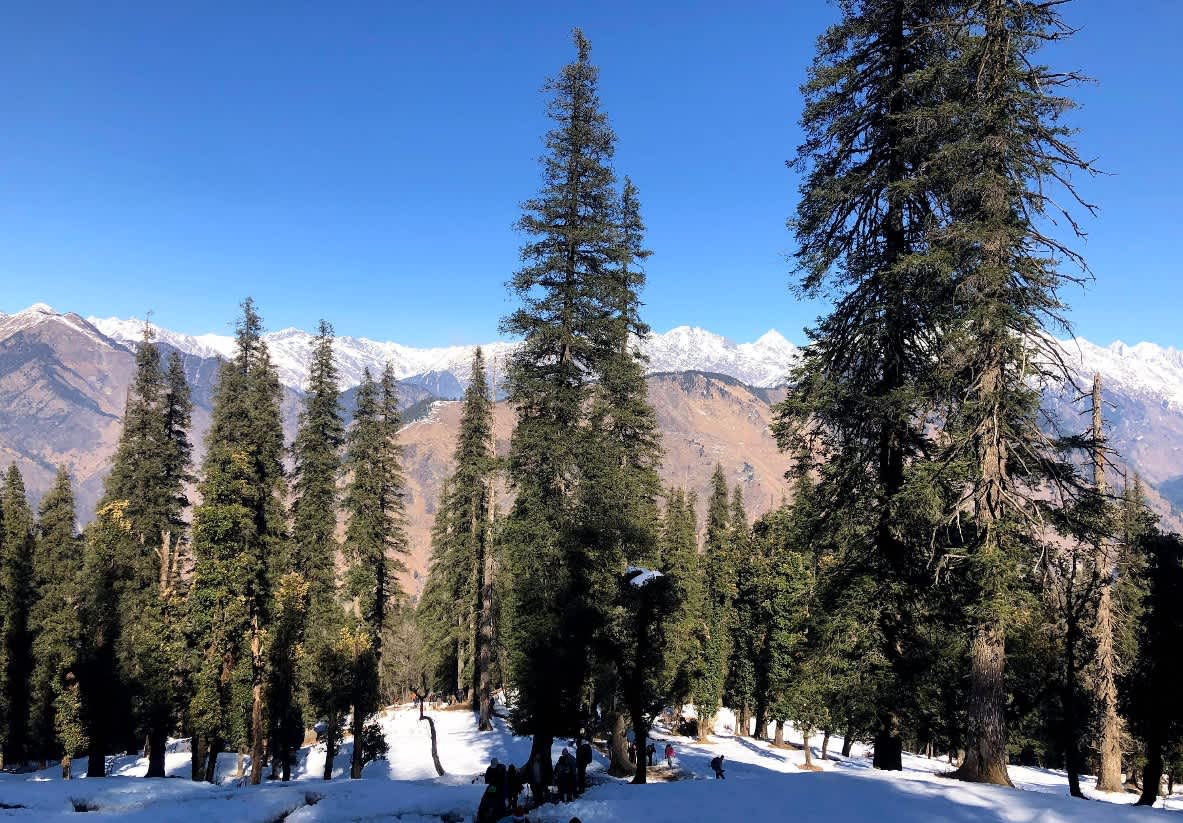 Image Credit: Sunil Variyar
Kedarkantha Trek in April: Comfortable and Scenic
April shifts the focus from snow to scenery. Snow usually remains only near the summit during early April, disappearing almost completely by mid-month. Trails dry up, making walking easier and faster.
Forests come alive with fresh leaves, and weather stays stable. Campsites feel warmer, and sleeping conditions improve significantly compared to winter months.
This month suits:
First-time trekkers
People uncomfortable with extreme cold
Those who want relaxed Himalayan views
Kedarkantha Trek in May: Clear Trails and Mountain Views
May offers one of the most comfortable trekking windows for Kedarkantha. Snow almost disappears, and the trek becomes a straightforward mountain hike with forest walks and open ridge views.
Days remain warm, nights stay cool but manageable, and weather stability improves. The summit still offers wide Himalayan views, though without the snow drama.
May works well for trekkers looking for fitness-based trekking rather than snow adventure.
Why Monsoon Is Not Suitable for Kedarkantha Trek
From June to September, monsoon dominates the region. Heavy rainfall affects road connectivity to Sankri and increases landslide risk. Trails turn slippery, and visibility drops due to persistent cloud cover.
Most certified trek operators stop Kedarkantha departures during this period due to safety concerns. Even experienced trekkers avoid this season because risks outweigh rewards.
Planning Kedarkantha during monsoon reduces safety and overall trekking value.
Kedarkantha Trek in October: Calm and Clear
October marks the reopening of the trail after monsoon. Weather stays dry, skies remain clear, and temperatures feel pleasant during the day.
Snowfall usually does not start yet, but the trek offers sharp views of surrounding Himalayan peaks. Nights start getting colder toward the end of the month, preparing the region for winter.
This month suits trekkers who prefer peaceful trails without snow pressure.
Kedarkantha Trek in November: Pre-Winter Conditions
November brings colder temperatures and occasional early snowfall toward the end of the month. Trails remain mostly dry initially, but icy patches start appearing at higher camps later.
The trek feels quieter compared to peak winter months. November works well for trekkers planning winter treks later and wanting exposure to cold without deep snow.
Best Time to Visit Kedarkantha Trek for Beginners
Beginners benefit from stable weather, predictable trails, and active rescue support.
Most suitable months for beginners
Late December
February
March
April
These months balance safety, experience, and comfort while keeping the trek enjoyable.
Final Thoughts: When Should You Go?
There is no single “perfect” month for everyone. Each season offers a different version of Kedarkantha.
If snow defines your dream trek, winter months deliver that experience. If comfort and clarity matter more, spring and autumn fit better. Understanding your limits and expectations helps you choose wisely.
The Kedarkantha trek best time to visit becomes clear once you decide what you want to feel on the trail, not just what you want to post online.