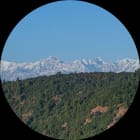

When to Visit Gaumukh Tapovan Trek for the Best Experience
Best time to visit Gaumukh Tapovan Trek
Way to Gaumukh Tapovan Trek

The Gaumukh Tapovan Trek stands as one of the most iconic high-altitude journeys in India. It combines raw Himalayan beauty, spiritual depth, and glacier-side adventure in a single trail. But here’s the truth timing can make or break your experience.
Choose the wrong season, and you might end up battling landslides, snow-blocked trails, or unpredictable weather. Pick the right window, and you’ll witness clear views of towering peaks like Mount Shivling and walk beside the origin of the sacred Ganga River.
In this guide, you’ll learn the best time to visit, what each season offers, and how to plan your trek smartly without relying on guesswork.
Understanding the Gaumukh Tapovan Trek Seasons
The trek lies inside Gangotri National Park, which remains closed during harsh winters. This means the trekking window is limited and highly seasonal.
Broadly, you can divide the trekking year into three main phases:
Pre-monsoon (May to June)
Monsoon (July to August)
Post-monsoon (September to October)
Each season offers a completely different experience.
Pre-Monsoon Season (May to June): The Most Popular Choice
If you ask experienced trekkers, most will point you toward this season because pre-monsoon is the best time to visit gaumukh tapovan trek without hesitation.
Why This Season Works Well
Snow begins to melt during May, opening up the trail from Gangotri to Gaumukh and further to Tapovan. The weather stays relatively stable, and the skies remain clear for most days.
You get stunning views of peaks like Bhagirathi Peaks, and the glacier looks more accessible.
What You Should Expect
Day temperatures between 10°C to 15°C
Night temperatures dropping below freezing
Snow patches, especially near Tapovan
High footfall compared to other seasons
The Real Experience
This season gives you a balanced trek. You get snow, clear views, and manageable trail conditions. However, don’t expect solitude. The trail feels lively, almost like a Himalayan highway at times.
Monsoon Season (July to August): High Risk, Low Reward
Let’s be honest this is not the time you want to trek here.
Why You Should Avoid It
The region receives heavy rainfall during monsoon. Landslides become frequent, and the trail conditions worsen quickly.
The route to Gaumukh Glacier becomes risky due to slippery paths and falling rocks.
Common Challenges
Landslides and road blockages
Poor visibility due to clouds
High chances of trek cancellations
Leeches and wet gear (not fun, trust me)
Is There Any Upside?
Very little. The valley does turn green, but you won’t get mountain views. For a trek known for glacier landscapes and peak views, that’s a big compromise.
Post-Monsoon Season (September to October): The Best Overall Experience
This is where things get interesting.
Why This Season Stands Out
After the rains clear out, the atmosphere becomes incredibly fresh. Dust settles, skies turn deep blue, and visibility improves dramatically.
If you want postcard-like views of Mount Shivling, this is your moment.
What You Should Expect
Crisp weather with clear skies
Day temperatures between 8°C to 12°C
Nights dropping to -5°C or lower
Dry and stable trails
The Real Experience
You get fewer crowds compared to May-June, which makes the trek feel more peaceful. The landscape looks sharp, dramatic, and photogenic.
If you care about photography or simply want a quieter trek, this season wins.
Month-by-Month Breakdown
The trekking season begins. Snow still covers parts of the trail, especially near Tapovan. You’ll need good gear and patience.
One of the best months overall. Snow reduces, and the trail becomes more accessible. Expect more trekkers.
Rain starts picking up. Travel disruptions become common.
Peak monsoon. Trekking becomes unsafe and unpredictable.
Fresh landscapes, clear skies, and fewer crowds. Ideal for serious trekkers.
Cold intensifies, but views remain stunning. The season ends by late October as winter approaches.
Best Time Based on Your Travel Style
Go in May or June. The conditions stay more forgiving, and you’ll find support easily.
Choose September or early October. Clear skies and dramatic lighting make a huge difference.
Early May gives you snow-covered sections, especially near Tapovan.
Post-monsoon offers solitude and a deeper connection with nature.
Weather and Altitude Reality Check
The trek reaches an altitude of around 4,463 meters at Tapovan. Weather changes quickly at this height.
Even during the best months:
Sudden snowfall can occur
Temperatures drop sharply at night
Strong winds remain common
Acclimatization becomes crucial. Spend time at Gangotri before heading higher.
Permits and Entry Rules You Should Know
Since the trek falls inside Gangotri National Park, you need a permit.
Here’s what matters:
Limited number of trekkers allowed per day
Entry permit issued at Gangotri
Valid ID required
Forest fees applicable
Authorities regulate entry to protect the fragile ecosystem.
Practical Tips for Choosing the Right Time
Do not rely only on general season advice. Check recent forecasts and local updates.
Late May and early June attract heavy crowds. Start early in the day to avoid congestion.
Even in June, nights feel freezing. Carry proper layers.
Weather delays are common in the Himalayas. Always keep extra days in your itinerary.
Why Timing Matters More Than You Think
The Gaumukh Tapovan Trek does not forgive poor planning. Unlike lower-altitude treks, this one exposes you to glacier terrain, high altitude, and unpredictable weather.
Choosing the right time ensures:
Better safety
Clear mountain views
Comfortable trekking conditions
A more enjoyable overall experience
Ignore timing, and you risk turning a dream trek into a struggle.
Final Verdict: When Should You Go?
If you want a simple answer:
Best overall time: September to early October
Best for beginners: May to June
Avoid completely: July and August
Both recommended seasons offer unique advantages. Your choice should depend on what you value more crowds and accessibility or solitude and crystal-clear views.
Conclusion
The Gaumukh Tapovan Trek rewards those who plan well. It challenges you with altitude and terrain, but it also offers unmatched Himalayan beauty.
Pick your season wisely, prepare properly, and respect the mountains. Do that, and this trek will stay with you long after you return.
FAQs
No, the trek remains closed during winter due to heavy snowfall and harsh conditions.
September offers the clearest skies and best visibility.
Yes, but they should choose May or June and prepare well for altitude and cold.
Night temperatures can drop to -5°C or lower, especially in post-monsoon.
While experienced trekkers may go independently, hiring a guide increases safety and navigation support.