
Winter Kuari Pass Trek - A Complete Guide for Snow Lovers and First-Time Trekkers
Everything You Need to Know About the Kuari Pass Trek in Winter
kuari Pass Trek in Winter

The Winter Kuari Pass Trek is one of the best Himalayan treks for people who want to experience snow without extreme difficulty. Located in the Garhwal region of Uttarakhand, this trek offers wide mountain views, peaceful forest trails, and snow-covered paths during the winter months.
Unlike many high-altitude treks, Kuari Pass remains accessible and safe even in peak winter. That is why it attracts beginners, photographers, and nature lovers every year. If you want a real Himalayan winter experience without pushing your limits too hard, this trek deserves your attention.
What Makes the Winter Kuari Pass Trek Special
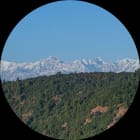
The biggest highlight of the Kuari Pass trek in winter is the landscape. Thick oak and rhododendron forests slowly change into open snowfields as you gain altitude. On clear days, you can see major Himalayan peaks like Nanda Devi, Dronagiri, Kamet, and Hathi Ghoda.
Winter adds a calm charm to the trail. The snow softens the surroundings, and the silence feels refreshing. Unlike popular summer treks, the winter route feels less crowded and more peaceful. This makes the experience more personal and rewarding.
Another reason trekkers love this route is its gradual ascent. You don’t face sudden altitude gain, which reduces the risk of altitude sickness. This makes Kuari Pass one of the safest and unexplored winter treks in India.
Best Time to Do the Kuari Pass Trek in Winter
The best time to do the Winter Kuari Pass Trek is from December to March.
December to January: Fresh snowfall, clear skies, and proper winter conditions
February: Deep snow, colder nights, and classic winter trekking experience
March: Melting snow, pleasant days, and clear mountain views
During this period, temperatures usually range between -5°C to 10°C, depending on altitude and weather conditions. Nights can be cold, but days remain comfortable for walking.
Difficulty Level of Kuari Pass in Winter
Kuari Pass is considered a moderate-level winter trek.
You do not need technical climbing skills, but you should be physically active. The snow increases effort, especially during ascents. However, the trail is well-defined, and experienced trek leaders make the journey safe.
This trek is suitable for:
First-time winter trekkers
Fit beginners
People with basic trekking experience
If you can walk for 5–6 hours a day and prepare with light cardio, you can comfortably complete this trek.
Trek Route and Key Highlights
The Kuari Pass winter trek usually starts from Joshimath, a well-connected town in Uttarakhand.
Joshimath → Dhak → Gulling → Tali Forest → Kuari Pass → Auli
Each section has something unique to offer. Forest sections feel calm and shaded, while open meadows near Tali and Kuari Pass offer stunning snow views.
Auli, the final stretch, is famous for its ski slopes and wide Himalayan views. Ending the trek here feels rewarding, especially in winter.
Snow Experience on Kuari Pass Trek
Snow is one of the biggest reasons people choose Kuari Pass in winter.
You can expect:
Snow from mid-December onwards
Thick snow layers between January and February
Soft snow trails ideal for beginners
Clear views after snowfall
Trek operators provide microspikes and gaiters when needed, making walking on snow safer and easier.
Fitness and Preparation Tips
You don’t need gym-level fitness, but preparation helps a lot.
Here’s what works best:
Start walking or jogging 3-4 weeks before the trek
Practice stair climbing with a backpack
Do basic leg and core exercises
Stay hydrated and eat clean
Mental preparation also matters. Cold weather requires patience, discipline, and a positive attitude.
What to Pack for Winter Kuari Pass Trek
Packing right can make or break your trek.
Essential items include:
Down jacket and thermal layers
Waterproof trekking shoes
Woollen socks and gloves
Trekking poles
Sunglasses and sunscreen
Headlamp with extra batteries
Most reputed trek operators provide safety gear like gaiters, crampons, and sleeping bags rated for sub-zero temperatures.
Safety and Accommodation
The Kuari Pass trek is considered safe when done with a registered trekking organization. Campsites are well-placed, and rescue support is available from nearby villages.
Accommodation usually includes:
Guesthouses in Joshimath
Dome tents during the trek
Sleeping bags suitable for winter
Treks follow eco-friendly practices, and responsible trekking is encouraged.
Why Kuari Pass is Perfect for Winter Trekking
The Kuari Pass trek offers a rare balance of beauty, safety, and adventure. You get snow, mountain views, and peaceful trails without extreme difficulty.
It is also one of the few winter treks where beginners can confidently participate. That’s why it remains popular among solo travelers, groups, and first-time trekkers.
Final Thoughts
The Winter Kuari Pass Trek is a perfect choice if you want to experience the Himalayas in their raw winter beauty. It offers snow, scenic views, manageable difficulty, and a well-defined route.
With proper preparation and a reliable trek operator, this trek becomes a memorable journey rather than a challenge. If you are planning your first winter trek or want a peaceful Himalayan escape, Kuari Pass should be high on your list.
Frequently Asked Questions (FAQs)
1. Is the Kuari Pass trek suitable for beginners in winter?
Yes, the Kuari Pass trek is suitable for beginners, even in winter. The trail has a gradual ascent and does not involve technical climbing. With basic fitness and proper winter gear, first-time trekkers can complete it comfortably.
2. How cold does it get during the winter Kuari Pass trek?
During winter, daytime temperatures range between 5°C to 10°C, while nights can drop to -5°C or lower. Proper winter clothing and a good sleeping bag are essential for comfort and safety.
3. Does Kuari Pass receive snowfall in winter?
Yes, Kuari Pass receives regular snowfall from late December to February. January usually has the highest chance of fresh snow, making it ideal for those who want a true winter trekking experience.
4. What is the total duration of the Kuari Pass trek?
The trek usually takes 5 to 6 days, including travel from Joshimath. The walking distance is spread comfortably, allowing proper acclimatization and rest.
5. Is altitude sickness a concern on the Kuari Pass trek?
The maximum altitude of Kuari Pass is around 12,516 feet (3,815 meters). While the risk is low, trekkers should stay hydrated, walk at a steady pace, and follow proper acclimatization guidelines.
6. What kind of accommodation is available during the trek?
Accommodation includes guesthouses in Joshimath and tents during the trek. Sleeping bags provided by trek operators are suitable for sub-zero temperatures in winter.
7. Do I need prior trekking experience for Kuari Pass?
Prior trekking experience is not mandatory, but basic fitness helps. Many first-time trekkers successfully complete the Kuari Pass winter trek with proper preparation and guidance.
8. What should I pack for the Winter Kuari Pass Trek?
You should carry:
Warm layers and a down jacket
Waterproof trekking shoes
Gloves, cap, and thermal wear
Sunglasses and sunscreen
Trekking poles and personal medicines
Most technical equipment is provided by trek operators.
9. Is Kuari Pass safe during winter?
Yes, Kuari Pass is considered one of the safest winter treks in India when done with a registered trekking company. The route is well-marked and supported by local teams.
10. Why is Kuari Pass called the “Lord Curzon Trail”?
The trail is named after Lord Curzon, a former British Viceroy of India, who explored this region in the early 1900s. Since then, it has remained one of the most scenic walking routes in the Garhwal Himalayas.