

Top Historical Sites in Italy You Shouldn’t Miss
From Rome to Venice: Iconic Sites That Tell Italy’s Story

So, you’re planning a trip to Italy? Nice choice. I mean, let’s be real—Italy isn’t just pizza, pasta, and gelato (although, yes, those alone are worth the flight). It’s basically an open-air museum where every street corner looks like it belongs on a postcard. If you’re even slightly into history, you’ll feel like a kid in a candy store here.
Now, I know there are about a thousand places you could visit, but today I’m focusing on the top historical sites in Italy you shouldn’t miss. Trust me, I’ve been down the rabbit hole of “where should I go first?” and it can get overwhelming fast. So let me break it down for you, like I would for a friend who just texted me: “Hey, got any Italy travel tips?”
The Colosseum, Rome

You can’t talk about historical sites in Italy without starting here. The Colosseum is the Beyoncé of Roman landmarks—it steals the spotlight every single time.
Built around 70–80 AD (yeah, that old), this amphitheater once hosted gladiator battles, exotic animal hunts, and maybe a little too much bloodshed.
Today, it stands as a symbol of Roman engineering genius and their flair for dramatic entertainment.
Walking inside feels surreal. You look around and think, “Wait, people literally cheered on lions fighting humans here?” Honestly, it’s mind-blowing and just a little horrifying. But hey, history wasn’t always cute.
Pro tip: Book your tickets online, skip the insane lines, and maybe grab a guided tour. You’ll thank yourself later.
Roman Forum & Palatine Hill

Right next to the Colosseum, you’ll find the Roman Forum. Back in the day, this was basically the social media feed of ancient Rome—politics, gossip, religion, trade, all of it happened here.
The ruins might look like “just rocks” to some people (I overheard a tourist say that once and nearly choked on my espresso), but they hold centuries of history.
Palatine Hill, overlooking the Forum, is where emperors lived. Imagine waking up to that view every morning. Not too shabby, right?
Tip: Wear comfy shoes. The cobblestones do not care about your fashion choices.
Pompeii

Okay, if you only remember one thing from this list, let it be Pompeii. The city that got frozen in time when Mount Vesuvius erupted in 79 AD is nothing short of fascinating.
Walking through Pompeii is like stepping into a time capsule. You see the remains of homes, frescoes, bakeries, even fast-food joints (yes, the Romans were already into takeout). The plaster casts of victims are sobering but incredibly powerful.
Here’s a fun fact: archaeologists found graffiti on some walls that’s basically ancient trash talk. Proof that people have always had opinions.
The Leaning Tower of Pisa

Let’s be honest, you already know this one from every cheesy tourist photo of someone pretending to hold it up. But cliché aside, it’s worth seeing.
Construction started in 1173, and the tower began leaning before it was even finished. Instead of fixing it right away, they just kept going—classic Italy, right?
Engineers stabilized it in recent years, so don’t worry, it won’t fall on you mid-selfie.
While you’re there, check out Pisa’s Cathedral and Baptistery. The whole complex is stunning, and you’ll actually walk away with more than just a funny Instagram shot.
Florence’s Duomo (Santa Maria del Fiore)

Florence is basically an art lover’s fever dream, and the Duomo is its crown jewel.
The cathedral’s dome, designed by Filippo Brunelleschi, was an architectural miracle of the Renaissance. People still scratch their heads over how he managed to build it.
Climb to the top (warning: 463 steps, but who’s counting?) and you’ll get one of the best views in the city.
The interior frescoes of the Last Judgment? Absolutely wild. You’ll either be inspired or slightly terrified—maybe both.
Vatican City: St. Peter’s Basilica & The Vatican Museums
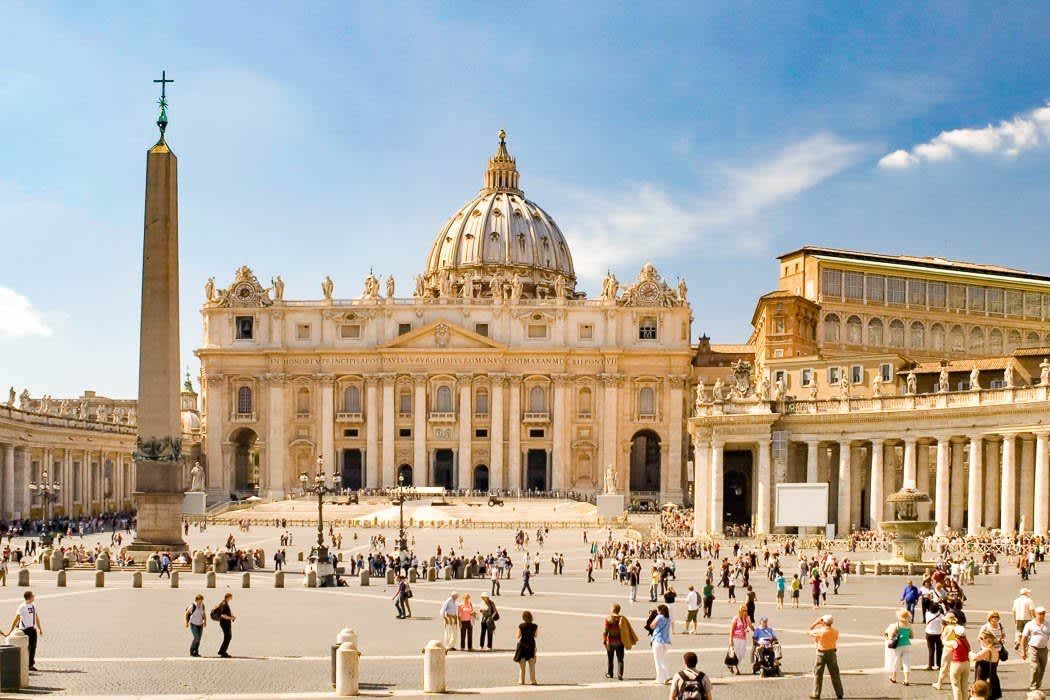
Technically its own country, but we’re counting it. Vatican City is non-negotiable if you’re into history, art, or both.
St. Peter’s Basilica is jaw-droppingly beautiful. Michelangelo’s Pietà is here, and it might just stop you in your tracks.
The Vatican Museums are packed with treasures from around the world, and of course, the Sistine Chapel ceiling painted by Michelangelo is the main event.
Quick tip: go early or late. Otherwise, you’ll feel like a sardine in a can.
Venice’s Doge’s Palace

Ah, Venice. Everyone talks about gondolas, but if you skip the Doge’s Palace, you’re missing a huge chunk of Venetian history.
This Gothic masterpiece was the political and judicial hub of Venice for centuries. The interiors are ridiculously ornate (seriously, these guys didn’t believe in minimalism). Walk through the Bridge of Sighs, where prisoners caught their last glimpse of freedom before heading to the dungeons. Dramatic much? Totally.
The Pantheon, Rome
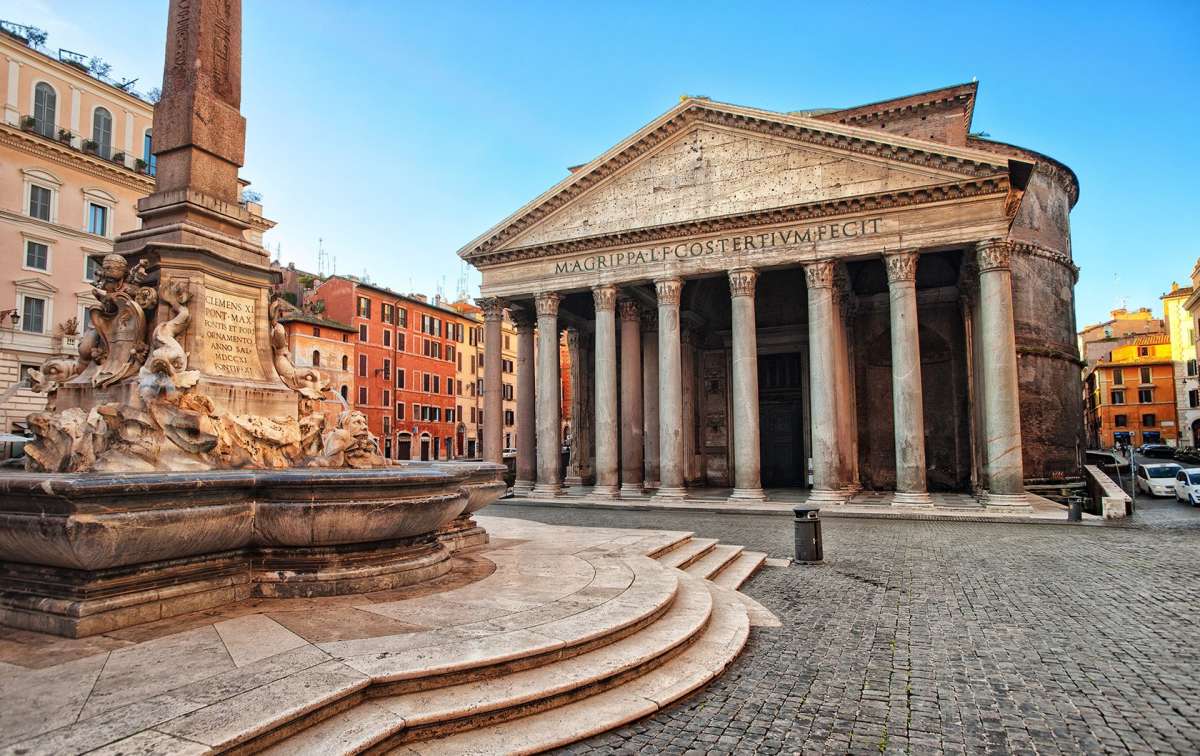
Rome has no shortage of jaw-droppers, but the Pantheon is something else. Built around 113–125 AD, it’s one of the best-preserved Roman buildings ever.
The dome is a masterpiece of engineering, with an open oculus in the center that lets in natural light (and rain, FYI).
Step inside and you’ll feel a mix of awe and peace—it’s just that kind of place.
Fun fact: The Pantheon inspired tons of buildings worldwide, including the U.S. Capitol. Yep, Rome basically set the template for “fancy government architecture.”
Siena’s Piazza del Campo

This medieval square in Tuscany feels straight out of a storybook. The brick-paved, shell-shaped piazza has been the heart of Siena for centuries. Twice a year, it hosts the Palio horse race—a chaotic, thrilling tradition where riders race bareback around the square.
Even without the race, the square is buzzing with cafés, people-watching, and stunning architecture like the Palazzo Pubblico.
Verona’s Roman Arena
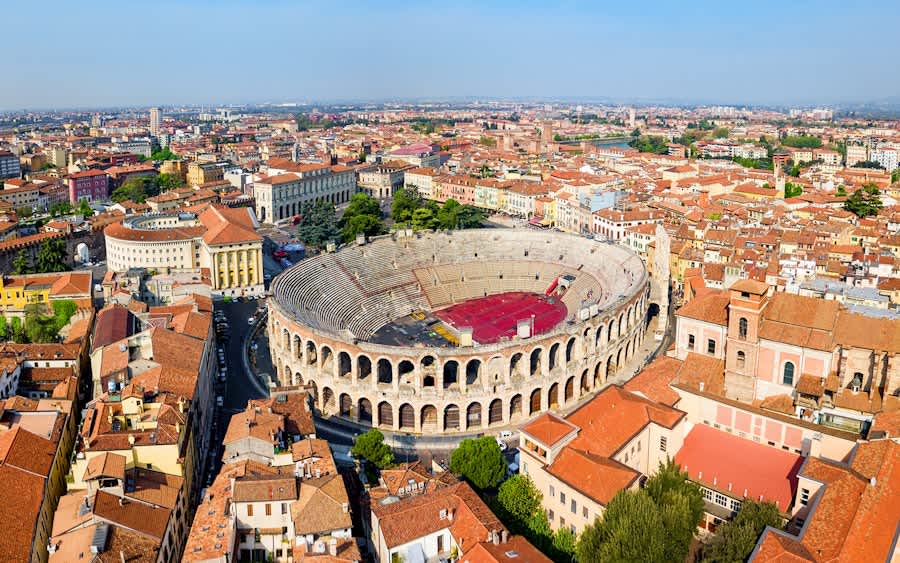
Move over, Colosseum. Verona has its own Roman amphitheater, and it’s still in use! Built in the first century AD, this arena hosts operas and concerts today. Imagine listening to an aria in the same spot gladiators once fought—goosebumps guaranteed.
And yes, Verona is also the city of Romeo and Juliet. Whether you’re a Shakespeare fan or not, it adds a little extra romance to the vibe.
Tips for Visiting Historical Sites in Italy
Before you go packing your bags, let me share a few quick tips to make your trip smoother:
Book tickets in advance. Seriously, don’t roll up to the Vatican without one.
Wear comfy shoes. Cobblestones will eat your feet alive.
Go early. Beat the crowds and get better photos.
Learn a little backstory. Even 10 minutes of reading before you visit makes the experience way richer.
Mix it up. Balance big-name sites with smaller gems—you’ll get a fuller picture of Italy’s history.
Conclusion
And that is it—my list of the best historical spots in Italy not to be missed. The Colosseum of Rome, the Duomo of Florence, the streets of Pompeii preserved in time, and the Doge’s Palace in Venice are just a few examples of how the past comes alive in ways no book can fully capture. For a seamless journey, plan your trip with The Best Travel Agency in Oman, and turn these historic dreams into reality. Italy is a spoilt choice. Be it Roman ruins, renaissance masterpieces or medieval piazza, there is something to blow your mind. And with the planning of your visit, don t simply follow the industry-leading credentials make the curiosity your new guide. Visiting these historic places in Italy is not just a bucket list thing at the end of the day. It is relating to the tales that were our world. Then get that espresso, tie up your shoe and go and create some memories. You just may fall in love with history (and Italy) all over the again. And one more thing: planning all this can get a little daunting, so feel free to take a look at some Italy tour packages that allow you to combine the best in a package. Easy peasy.