

The Difference Between Standard and Deep Cleaning Explained
Learn the difference between standard and deep cleaning, and why deep cleaning matters for hygiene, health, and home.

If you’re searching for the difference between standard and deep cleaning, you’re probably trying to decide what to book — and whether the price gap is justified.
That’s usually the real question.
In my experience working with residential property managers and post-renovation cleanup teams, confusion doesn’t come from the definitions. It comes from expectations. Clients think they ordered a “full clean,” but what they actually received was maintenance cleaning. Different scope. Different labor intensity. Very different outcome.
So let’s clear it up properly — without marketing fluff.
Quick Answer: What’s the Difference?
Standard cleaning is routine maintenance that keeps a space tidy and functional. Deep cleaning is an intensive, detailed service that removes hidden dirt, buildup, and bacteria from neglected or hard-to-reach areas.
That’s the short version.
But what matters is what that looks like in real homes, offices, and commercial spaces.
What Is Standard Cleaning? (And What It Actually Covers)
Standard cleaning — sometimes called regular, basic, or maintenance cleaning — focuses on visible surfaces and high-traffic areas.
Typical tasks include:
Dusting accessible surfaces
Vacuuming and mopping floors
Cleaning bathrooms (sink, toilet, mirror)
Wiping kitchen counters
Taking out trash
It maintains appearance. It doesn’t reset the property.
In most apartments I’ve supervised, standard cleaning is scheduled weekly or biweekly. It keeps dust under control and prevents grime from building too fast. But it doesn’t go after the areas behind the fridge or inside air vents. And that’s intentional — the time allocation simply doesn’t allow it.
A common misunderstanding is assuming “clean” means sanitized. That’s rarely true with standard service. For those looking for professional support or more thorough solutions, check out standard home cleaning services to understand what’s included and how it compares to deep cleaning.
What Is Deep Cleaning? (Beyond the Surface)
Deep cleaning goes further — physically and technically.
It targets buildup, bacteria colonies, mineral deposits, and the grime that develops in overlooked areas. This type of cleaning is more labor-intensive, sometimes requiring specialized equipment like steam cleaners, HEPA vacuums, or descaling solutions.
Typical deep cleaning tasks:
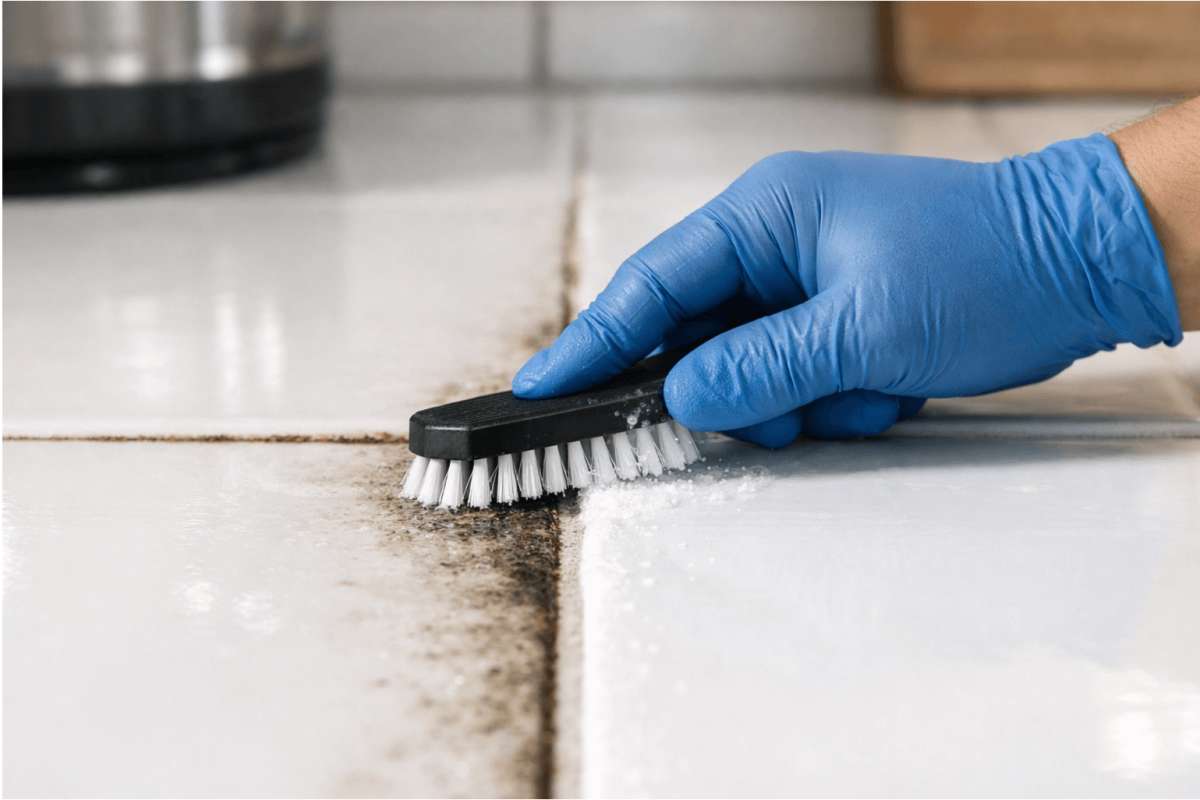
Scrubbing tile grout
Cleaning behind and under appliances
Descaling showerheads and faucets
Washing baseboards and door frames
Cleaning light fixtures
Detailed cabinet interior cleaning
Vent and air return cleaning
The goal isn’t just appearance. It’s hygiene and restoration.
What most people miss is that grease, soap scum, and dust aren’t just cosmetic issues — they trap bacteria and accelerate wear on surfaces.
Why the Cost Difference Exists
This is where frustration usually begins.
Deep cleaning costs more. Sometimes significantly more. And clients ask why.
The reason is labor time.
A standard cleaning of a two-bedroom apartment may take 2–3 hours with one cleaner. A deep cleaning of the same space can take 6–8 hours or even longer depending on condition. More time means higher labor cost. If a contrctor quotes surprisingly low for deep cleaning, I get skeptical.
Prices varies depending on size condition and location. In some cities, labor rates alone makes deep cleaning nearly double the price of routine service.
Also, product usage increases. Degreasers, descalers, steam equipment — these add overhead.
So the cost difference isn’t markup. It’s effort.
Health & Indoor Air Quality Considerations
Here’s where things gets practical.
The Environmental Protection Agency reports that indoor air can be significantly more polluted than outdoor air. Dust mites mold spores and pet dander accumulate in carpets upholstery and ventilation systems.
Standard cleaning doesn’t address embedded allergens. Deep cleaning does — especially when HEPA filtration or steam sanitation is used.For more on how professional cleaning improves health and air quality, see the hidden health benefits of having your home professionally cleaned.
In office spaces I’ve managed, employees often complain about air feeling “stale.” After a proper vent and carpet deep clean, those complaints usually drop. It’s not magic. It’s removal of fine particulates.
And yes, air quality directly impacts productivity and comfort.

When Should You Choose Standard Cleaning?
Standard cleaning works well when:
The property is already maintained
There’s no heavy buildup
Occupants clean regularly between visits
You need appearance upkeep
It’s ideal for ongoing maintenance.
If a house has been cleaned every week for months, there may be no need for frequent deep service. In fact, doing it too often can be unnecessary expense.
The real takeaway is that standard cleaning is preventive — it keeps things from deteriorating quickly.
When Deep Cleaning Becomes Necessary
Deep cleaning isn’t just for “dirty homes.” That’s a misconception.
You likely need it when:
Moving into a new property
Preparing for sale
After renovation or cosntruction
Following illness
After long period of neglect
I’ve seen homes that looked neat but had years of mineral buildup in showers. Regular wiping never removed it. Only mechanical scrubbing and descaling worked.
Another scenario — rental turnover. Property managers who skip deep cleaning between tenants often face complaints later. Hidden grime eventually shows up.
It’s not visible at first, but it’s there.
The Technical Differences: Tools and Techniques
This part doesn’t get discussed enough.
Standard cleaning typically uses:
Microfiber cloths
Basic surface disinfectants
Household vacuums
Mop and bucket systems
Deep cleaning often involves:
Steam extraction machines
Industrial degreasers
Grout brushes or rotary scrubbers
HEPA-filter vacuums
Mold-inhibiting treatments
Technique changes too.
For example, disinfecting without removing organic debris first is ineffective. Even the Centers for Disease Control and Prevention emphasizes cleaning before disinfecting.
If you skip mechanical removal of dirt, chemical treatment won’t fully work.
A lot of people assume stronger chemical equals deeper clean. That’s wrong. Agitation and dwell time matter more than chemical strength.
Commercial vs Residential Expectations
In commercial spaces, the difference between standard and deep cleaning has compliance implications.
Healthcare facilities and food-service businesses follow hygiene protocols often referencing guidance from the World Health Organization.
Routine cleaning handles daily sanitation. Deep cleaning ensures periodic reset to maintain regulatory standards.
In residential settings, the consequences are less regulatory but still practical — odor buildup, pest attraction, surface degradation.
Commercial standards tends to be stricter. Residential clients are usually reacting to visible issues.
A Real-World Scenario
Let me give you an example from field experience.
We had a client who booked standard cleaning before listing their home for sale. The space looked fine at glance. But buyers noticed grout discoloration and dusty vents. It created impression of poor maintenance.
We scheduled a deep cleaning two days later. Grout was scrubbed. Vents vacuumed properly. Baseboards wiped. Light fixtures cleaned.
The difference was noticeable immediately. Even the realtor commented on the improved “freshness.” Small details, big perception shift.
That’s something people underestimate.
Common Mistakes People Make
Booking standard cleaning when deep cleaning is clearly needed.
Assuming deep cleaning includes carpet shampoo automatically (it often doesn’t).
Not clarifying scope with cleaning company.
Expecting deep cleaning to fix structural issues like mold behind walls.
A cleaning team can’t fix water damage. They addresses surface-level hygiene.
Clear communication matters more than people think.
How to Decide What You Actually Need
Ask yourself:
When was last time vents, grout, and baseboards were scrubbed?
Is there visible mineral or grease buildup?
Are allergy symptoms increasing?
Has the space been vacant for long time?
If the answer to two or three is yes, deep cleaning probably makes sense.
If everything is maintained consistently, standard cleaning may be enough.
You don’t always need the most intensive option. But ignoring deep cleaning for years creates compounding problems.
Can You Switch Between Both?
Absolutely.
Many households schedule deep cleaning once or twice a year, with standard cleaning in between. That hybrid approach works well. It balances cost and hygiene.
What surprises many clients is how much easier standard cleaning becomes after a proper deep session. Once buildup is removed, maintenance takes less effort.
It’s like resetting the baseline.
Final Perspective From Experience
After overseeing dozens of residential turnovers and office maintenance cycles, I’ve noticed something simple.
People underestimate gradual buildup.
Dust settles slowly. Mineral deposits accumulate drop by drop. Grease forms thin film layers. You don’t notice until it’s obvious — and then it feels sudden.
Standard cleaning manages the present. Deep cleaning corrects the past.
The real takeaway is that neither is “better.” They serve different purposes. Choosing wrong one leads to disappointment, not because service failed, but because expectations didn’t align with scope.
If you treat deep cleaning as strategic maintenance rather than emergency response, your property lasts longer and feels healthier.
And that’s the point.