

Top 7 Mistakes Homeowners Make During Renovation Projects
Planning a remodel? Learn the most common renovation mistakes homeowners make and smart ways to prevent them.

Renovation sounds exciting at first. New kitchen. Open floor plan. Maybe knocking down that about tile joints that look “a bit off.”
Iwkward wall that never made sense.
Then reality hits — budgets stretch, timelines slip, and suddenly you’re arguing with a contrctor af you’re reading this, chances are you’re planning a renovation or already knee-deep in one. The real search intent behind this topic isn’t just curiosity. Homeowners want to avoid expensive mistakes. They want fewer surprises. They want control.
After managing residential renovation projects for over a decade — everything from compact apartment remodels to full structural retrofits — I can tell you this: most disasters aren’t caused by bad luck. They’re caused by predictable errors.
Here are the top seven mistakes I’ve seen homeowners make. And more importantly, how to avoid them.
1. Starting Without a Clear Scope (Vague Vision = Expensive Changes)
This one is painfully common.
A homeowner says, “We just want to modernize the space.” That sounds fine until demolition begins and suddenly they want to move plumbing lines, raise ceiling height, add recessed lighting, shift doorways… and none of it was in the original plan.
Scope creep is expensive. Very expensive.
What most people miss is that every change mid-project multiplies cost. A shifted electrical point might seem small, but it affects wiring routes, patching, paint, sometimes even load calculations.
In most projects I’ve seen, lack of detailed drawings leads to at least 15–20% cost escalation. That’s not exaggeration.
Practical fix:
Before hiring anyone:
Define exactly what’s being changed
Get rough layout drawings (even simple CAD or architectural sketches)
Confirm material selections early
Clarify what is NOT included
If you’re altering structure — removing load-bearing walls, extending slabs, modifying beams — consult a licensed structural engineer. Guidelines from organizations like the American Society of Civil Engineers (ASCE) emphasize pre-construction evaluation for structural modifications. It’s not red tape. It’s protection.
Clarity upfront saves money later. Every time.
2. Underestimating the Budget (And Forgetting the 15–20% Buffer)
Homeowners usually budget based on finishes. Tiles. Cabinets. Paint.
They forget about:
Demolition waste removal
Electrical rewiring
Plumbing corrections
Permit fees
Waterproofing layers
Site supervision
A kitchen remodel quoted at $18,000 quickly becomes $25,000 once hidden issues surface. And hidden issues always surface — especially in homes older than 15 years.
The National Association of Home Builders (NAHB) consistently reports cost overruns due to unforeseen structural or mechanical updates in remodeling projects. It happens more often than people like to admit.
Here’s a simple formula I recommend clients:
Total Renovation Budget = Estimated Contractor Quote 20% Contingency 5% for design adjustments
That 20% buffer isn’t pessimism. It’s realism.
And if you don’t use it? Great. You’ll sleep better knowing it was there.
Before starting any remodeling work, it’s wise to consult professionals who understand structural assessments, compliance requirements, and hidden site costs.

3. Hiring Based on Lowest Price (Instead of Value)
This is where emotions override logic.
Three quotes come in:
$32,000
$35,000
$24,000
Guess which one most homeowners lean toward?
The problem isn’t that the lowest quote is always bad. Sometimes it's legit. But often, low bids hide:
Incomplete scope
Cheaper materail substitutions
Underestimated labor
No allowance for site supervision
Later, variation orders begin. Suddenly you’re paying more than the mid-range quote would have cost — and arguing about every detail.
In most renovation disputes I’ve mediated, documentation gaps were the root cause. The “cheapest” quote lacked clarity.
Instead of asking “Who is cheapest?”, ask:
Who explained the process clearly?
Who provided itemized breakdowns?
Who acknowledged potential risks?
Professionalism shows in preparation.
And if a contrctor rushes you to sign — walk away.
4. Ignoring Permits and Local Regulations
Some homeowners try to skip permits to save time or money. I understand the temptation.
But this one backfires hard.
If you’re:
Altering structural components
Modifying plumbing stacks
Upgrading electrical load
Changing building façade
Extending property lines
Permits aren’t optional in most cities.
Local building authorities enforce codes for fire safety, structural integrity, and energy efficiency. For example, many municipalities follow International Residential Code (IRC) standards or similar regional frameworks.
I’ve seen homeowners forced to undo completed work because it wasn’t inspected. That’s money lost twice.
Even worse, unpermitted work can complicate property resale. Buyers often demand compliance certificates before closing.
Skipping permits might save weeks now. It could cost you months later.
If you're planning upgrades or redesigning your space, understanding compliance should be part of your strategy. This guide on how to get the most out of modern interior design projects also explains why planning, approvals, and coordination matter before construction even begins.
5. Poor Timeline Planning (Renovations Always Take Longer Than You Think)
Here’s the truth: renovation timelines are rarely linear.
Demolition reveals surprises. Suppliers delay deliveries. Weather affects curing times for cement work. Skilled labor availability fluctuates.
A bathroom remodel that was “guaranteed” in 3 weeks stretches to 6. And frustration builds.
In real-world scheduling, I always add buffer between phases:
Demolition → 2 extra days
Plumbing rough-in → 1–2 day inspection buffer
Tile curing → minimum 48 hours before grouting
Cabinet installation → allow 3 days for adjustment
What surprises many clients is how sequencing errors cause domino delays. If electricians arrive before plumbing corrections are complete, you lose coordination. Work gets redone.
A good project manager anticipates overlap carefully — but never forces it recklessly.
Build realistic timeline expectations. Then add margin.
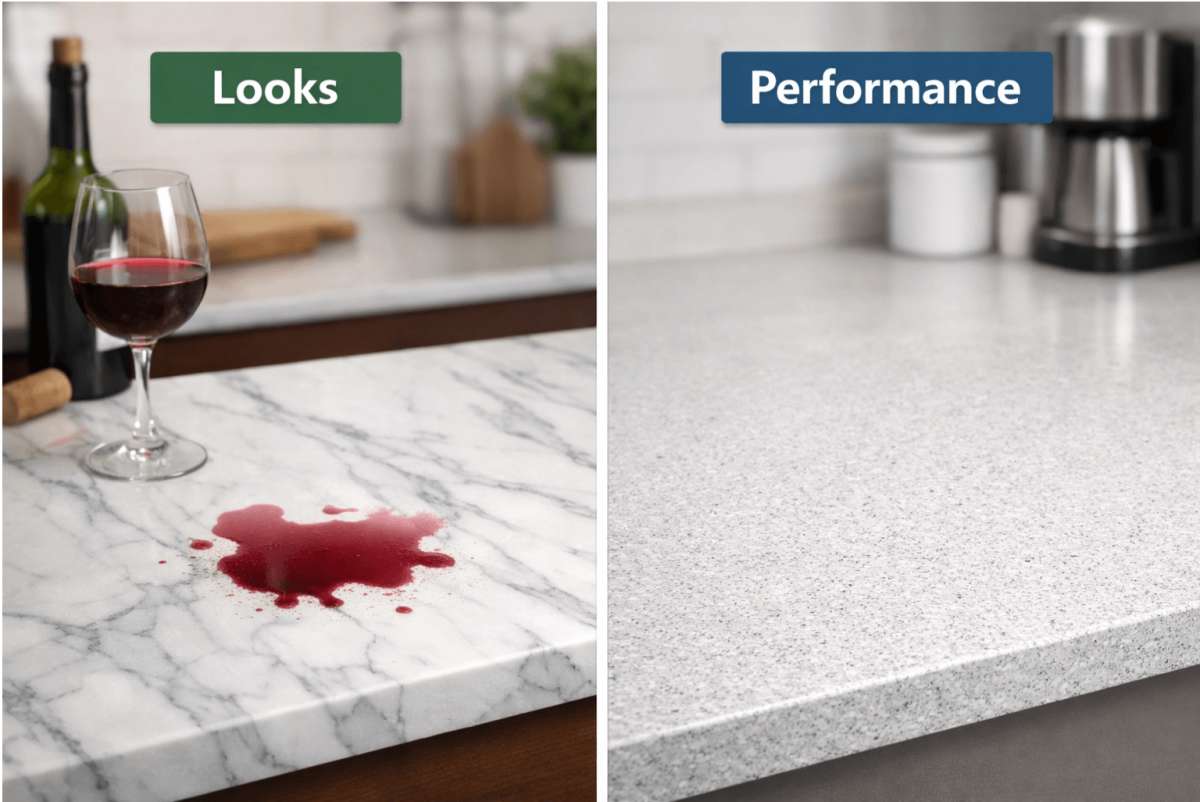
6. Choosing Materials Based Only on Looks
Pinterest and Instagram has changed expectations. Clean lines. Glossy marble. Seamless finishes.
But here’s what isn’t visible online: maintenance burden.
That white marble countertop? It stains easily. High-gloss cabinets show fingerprints. Cheap laminate flooring warps under moisture exposure.
In coastal or humid cities especially, materail selection must consider climate. I’ve seen premium wooden flooring buckle because humidity wasn’t factored.
The U.S. Department of Energy also provides guidance on insulation and energy-efficient upgrades that can reduce long-term operational costs. Yet many homeowners prioritize visual upgrades over functional performance.
Before finalizing finishes, ask:
What is the wear resistance rating?
Is it suitable for my climate?
What’s the maintenance cycle?
What’s the expected lifespan?
Looks fade. Function stays.
7. Micromanaging Every Detail (Without Understanding Technical Constraints)
This one might sting a little.
Homeowners who hover constantly, override technical decisions, or demand daily layout changes often cause project instability.
I’m not saying don’t stay involved. You should.
But there’s a difference between oversight and interference.
For example:
Adjusting tile layout mid-installation wastes material
Changing ceiling design after framing leads to rework
Switching plumbing fixtures after rough-in delays finishing
In most projects I’ve handled, the smoothest ones were where homeowners made early decisions, trusted professional input, and requested changes through structured discussion — not impulsively on-site.
Renovation isn’t just aesthetics. It’s sequencing, structural loads, moisture management, curing times and electrical safety.
Trust the expertise you hired. Or don’t hire them at all.
Bonus Insight: Not Living Through the Renovation Logistically
People underestimate disruption.
Dust travels. Water shutoffs happen. Noise is constant.
If you're renovating kitchen and living in the house, plan:
Temporary cooking setup
Protected storage for furniture
Clear daily work hours
Ventilation solutions
I’ve had clients regret staying onsite during full-floor renovations. Stress accumulates fast.
Sometimes temporary relocation saves sanity. And productivity improves because workers aren’t working around family routines.
Quick Summary: The 7 Costliest Renovation Mistakes
For those who want a snapshot:
Starting without a defined scope
Underbudgeting and skipping contingency
Choosing lowest bid blindly
Ignoring permits and codes
Unrealistic timelines
Prioritizing aesthetics over performance
Over-controlling the process
Each of these mistakes ties back to one thing: planning.
How to Renovate Smarter (Practical Framework)
If I were advising a homeowner starting tomorrow, I’d suggest this structure:
Step 1: Define outcome clearly What problem are you solving — space, function, resale value, comfort?
Step 2: Establish realistic budget range Not just what you want to spend. What you can absorb if things shift.
Step 3: Engage professionals early Architect, engineer or experienced contrctor depending on scope.
Step 4: Finalize design before demolition Changes on paper are cheap. Changes onsite are not.
Step 5: Lock material selections before procurement phase
Step 6: Build contingency buffer into both cost and time
Simple steps. But many skip them.
Final Thoughts From the Field
Renovations fail quietly at first. A rushed decision here. A skipped inspection there. A cost assumption that felt safe.
Then momentum builds in wrong direction.
The real takeaway is this: renovation success isn’t about spending more. It’s about planning better.
Homes aren’t just visual upgrades. They’re structural systems — mechanical, electrical, load-bearing, moisture-managed systems working together. When one decision ignores that interconnected reality, problems surface.
I’ve seen modest budgets executed beautifully because the homeowner respected process. I’ve also seen luxury renovations collapse under poor coordination.
If you treat renovation like a structured project instead of emotional upgrade, outcomes change dramatically.
And yes, things will still go wrong sometimes. That’s construction.
But avoid these seven mistakes, and you’ll already be ahead of most homeowners walking into their first remodel thinking it’s just about paint and tiles.