
Dayara Bugyal Trek Best Time - Weather & Temperature Guide
Discover the best time for Dayara Bugyal trek. Month wise weather, snow, difficulty, gear tips and safety guide.
Dayara Bugyal

Dayara Bugyal trek is one of the most rewarding meadow treks in Uttarakhand, offering different moods in different seasons. From lush green alpine grasslands in summer to a snow covered winter wonderland, the trekking experience changes dramatically across the year. While paragraphs help explain the journey and emotions, practical details like weather, temperature range, and essential gear are best understood when presented clearly.
This guide balances both and helps you choose the best time to do the Dayara Bugyal trek based on your experience level and expectations.
Best Time to Visit Dayara Bugyal Trek (Quick Overview)
The ideal trekking period for Dayara Bugyal trek depends on what you want to see and experience.
Best overall season: April to June and September to December
Best time for snow trekking: December to February
Best season for green meadows and wildflowers: April to June
Spring & Early Summer (April to June) – Ideal Season for Most Trekkers
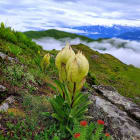
This is the season when Dayara Bugyal feels most alive. Snow melts gradually, streams start flowing again, and meadows turn green with wildflowers blooming across the landscape. Weather remains pleasant, making this period extremely beginner friendly. This is the perfect time for families and children.
Weather and temperature range:
Day temperatures: 10°C to 18°C
Night temperatures: 2°C to 7°C
Climate: Pleasant, mild temperatures with clear skies
Why this season works well:
Lush meadows and blooming wildflowers
Comfortable weather for long walking hours
Excellent Himalayan views with minimal weather disruptions
Essential gear for this season:
Light down or fleece jacket
Full-sleeve trekking clothes
Sun cap, sunglasses, sunscreen
Waterproof jacket as backup
Crowds increase slightly in May and June due to holidays, but trail conditions remain safe and enjoyable.
Monsoon Season (July to August) – Avoid Due to Safety Risks
Although the region receives heavy rainfall that makes the meadows intensely green, monsoon is the most risky period for the Dayara Bugyal trek. Landslides on approach roads and slippery trails increase safety concerns.
Day temperatures: 10°C to 15°C
Frequent heavy rains and fog
Poor visibility and high humidity
Slippery trails and mud patches
Leeches in forest sections
Landslides and road blockages
Because of these risks, this season is best avoided for trekking.
Autumn Season (September to November) – Best for Clear Himalayan Views
Autumn brings stability back to the mountains. After monsoon clouds clear, the sky opens up and offers some of the best panoramic views of Himalayan peaks. Meadows turn golden, giving the trek a calm and mature character.
Day temperatures: 8°C to 15°C
Night temperatures: 0°C to 5°C
Climate: Dry, crisp air with clear skies
Crystal clear Himalayan views
Fewer crowds compared to summer
Stable weather and dry trails
Insulated jacket for cold nights
Warm layers and gloves
Windproof outer layer
This season is ideal for photographers, experienced trekkers, and those seeking a peaceful trekking experience.
Winter Season (December to March) – Best Time for Snow Lovers
Winter turns Dayara Bugyal into a magical snowy landscape. Frosted forests, frozen streams, and white meadows define this period. December starts with light snowfall, while January and February receive heavy snowfall.
Weather and temperature range:
Day temperatures: -2°C to 8°C
Night temperatures: -5°C to -10°C
Climate: Cold, snowy, and demanding
Winter trekking highlights:
Thick snow and fresh snowfall
True winter wonderland experience
Less crowded trails
Essential winter gear:
Heavy down jacket
Thermal layers (upper and lower)
Snow gaiters and waterproof trekking shoes
Woolen cap, gloves, and neck warmer
Winter trekking is more challenging and requires proper preparation, but the reward is unmatched scenic beauty.
Best Time Based on Trekker Experience
Beginners: April to June, September
Snow trekking enthusiasts: December to February
Photography lovers: April–May, October
Budget travelers: March, November
Final Verdict – When Should You Do Dayara Bugyal Trek?
If you want comfort, safety, and green landscapes, plan your trek between April and June. If your goal is to walk through a snow covered winter wonderland, December to February offers a magical experience. Monsoon months should be avoided due to safety risks and unstable conditions.
Dayara Bugyal rewards trekkers in every season. The key is choosing the right time based on your expectations, fitness level, and love for either lush meadows or snowy landscapes.
FAQs related to Dayara Bugyal
Q1- What is the best time of year to do the Dayara Bugyal trek?
The best time of year to do the Dayara Bugyal trek depends on the experience you want. For most trekkers, April to June and September to October offer the ideal balance of pleasant climate, safety, and scenic beauty. These months provide clear Himalayan views, comfortable temperatures, and stable trail conditions. If snow trekking is your priority, December to February is the best period, though it demands better fitness and proper winter gear.
Q2- How many days does a typical Dayara Bugyal trek itinerary take?
A standard Dayara Bugyal trek usually takes 3 to 4 days, starting and ending at Raithal or Dehradun. The itinerary is well-paced and does not rush acclimatization, making it suitable even for beginners.
A typical trekking flow looks like this:
Day 1: Dehradun to Raithal village
Day 2: Raithal to Gui campsite
Day 3: Gui to Dayara Bugyal top and return to camp
Day 4: Descend to Raithal and drive back
Some itineraries add an extra buffer day in winter or bad weather conditions.
Q3- What level of fitness is required for beginners?
Dayara Bugyal is considered a beginner friendly trek, but basic fitness is still necessary. You should be comfortable walking for 4 to 6 hours a day on gradual ascents.
For beginners, ideal fitness preparation includes:
Brisk walking or jogging for 30 to 40 minutes
Basic leg strengthening exercises like squats and lunges
Light backpack practice
You do not need technical climbing skills, but consistency and stamina matter more than raw strength.
Q4- What permits or fees are needed for the Dayara Bugyal trek?
Trekkers are required to pay forest entry fees and local eco-development charges, which are usually arranged by registered trek operators. If you are trekking independently, permits are issued at Raithal or forest checkpoints.
These permits help support:
Forest conservation
Local village communities
Trail maintenance and safety
Carrying a valid government ID is mandatory.
Q 5- What gear and clothing should I pack for the Dayara Bugyal trek?
Basic trekking essentials for all seasons:
Good quality trekking shoes with ankle support
Backpack with rain cover
Trekking poles
Water bottles or hydration system
Season-specific clothing:
Summer and autumn: light fleece, windproof jacket, sun protection
Winter: heavy down jacket, thermals, woolen layers, gloves, cap, snow gaiters
Always prioritize warmth, waterproofing, and layering over fashion.
Q 6- What is the difficulty level of Dayara Bugyal trek for beginners?
The Dayara Bugyal trek is rated easy to moderate in winter months while easy in other months, making it suitable for beginners with minimal trekking experience. The trail does not involve steep technical climbs or exposed sections.
However, difficulty can increase in:
Winter due to snow depth and cold
Poor weather conditions
If fitness preparation is inadequate
For first-time trekkers, attempting this trek in spring or autumn is highly recommended.
This itinerary allows proper acclimatization and gives enough time to explore the meadows without rushing.
Q 7- Is Dayara Bugyal trek safe for solo trekkers?
While the trail is well-marked and popular, solo trekking is not advised in winter or monsoon due to weather unpredictability. Solo trekkers in summer or autumn should still inform locals and carry navigation support. Joining an organized group is always safer, especially for beginners.
Q 8- Does Dayara Bugyal trek depend heavily on weather?
Yes, the trek experience depends strongly on weather and seasonal transition. Clear skies enhance Himalayan views, while snowfall transforms the landscape entirely. This is why choosing the right trekking period is crucial for safety and satisfaction.